Personal info
Known for
Actor
Gender
Male
Birthday
14 April
Location
New York, United States
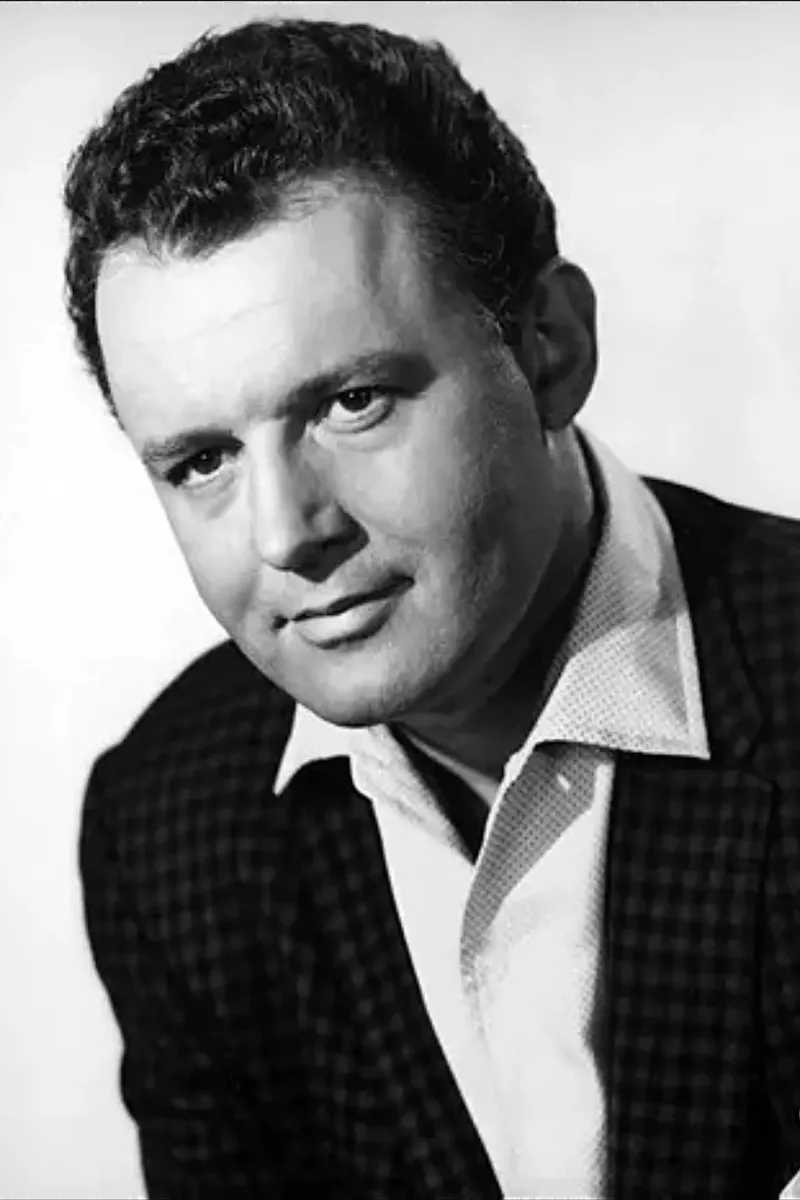
Edit pageRod Steiger
Biography
Rod Steiger was an American actor whose powerful performances made him one of the leading dramatic performers of his generation. Known for his emotional intensity, versatility, and ability to portray morally complex characters, he worked across film, television, and theatre for more than five decades.
Early Life
Rod Steiger was born Rodney Stephen Steiger on April 14, 1925, in Westhampton, New York, United States. He had a difficult childhood and left home as a teenager.
After serving in the United States Navy during World War II, Steiger became interested in acting. He studied acting and began performing in theatre and television during the late 1940s.
Early Career
Steiger's first major professional opportunities came through television. He appeared in numerous live television dramas during the early 1950s, a period often considered a golden age of American television.
His television work allowed him to develop the emotionally intense acting style that would later become his trademark.
He made his feature-film debut in Teresa (1951), but his breakthrough came a few years later.
On the Waterfront
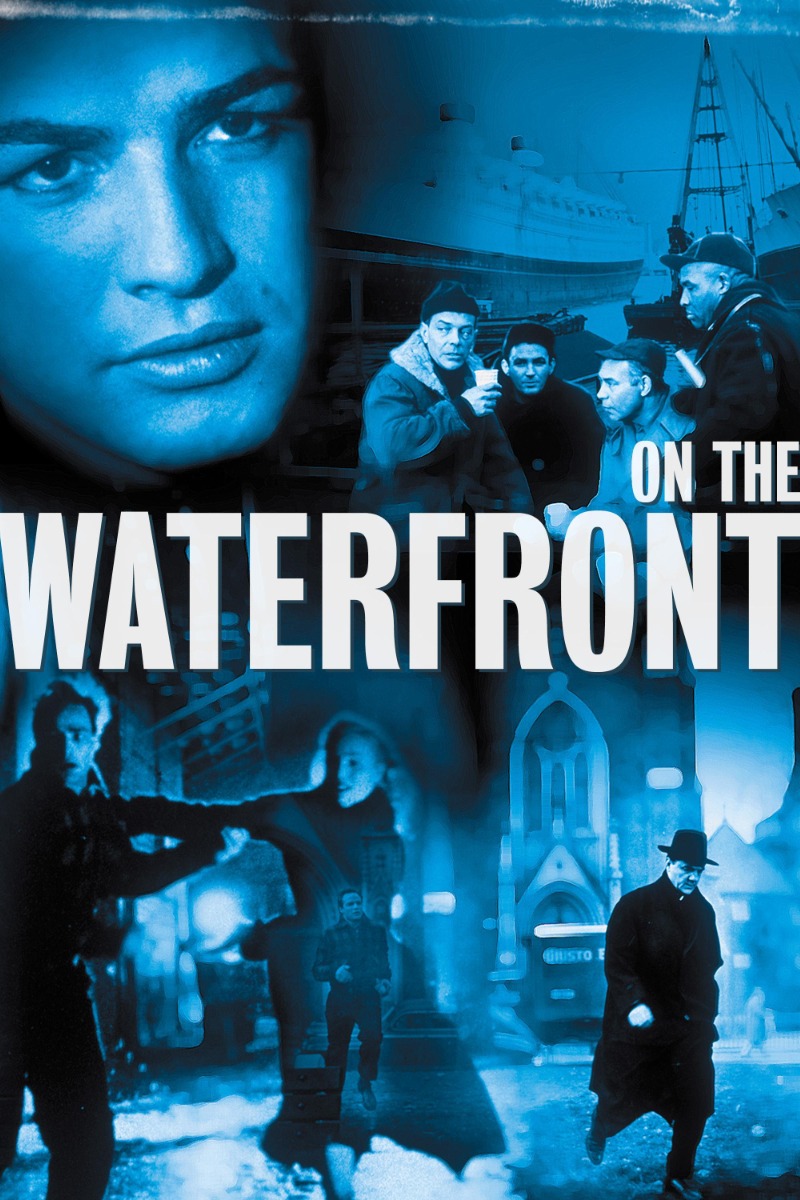
Steiger received widespread recognition for his performance as Charley Malloy in Elia Kazan's On the Waterfront (1954).
He played the older brother of Terry Malloy, portrayed by Marlon Brando. Charley works for corrupt union boss Johnny Friendly but becomes increasingly concerned about his brother's safety and future.
The famous taxi-cab scene between Steiger and Brando became one of the most celebrated sequences in American cinema. Steiger's emotional performance demonstrated his ability to portray conflict, guilt, loyalty, and regret.
The film won eight Academy Awards and established Steiger as a major dramatic actor.
The Harder They Fall
Steiger reunited with director Mark Robson for The Harder They Fall (1956), a boxing drama based on Budd Schulberg's novel.
He played Nick Benko, a ruthless boxing promoter who exploits a foreign fighter for financial gain. The role allowed Steiger to portray one of the morally corrupt and manipulative characters that became a recurring feature of his career.
The Pawnbroker
One of Steiger's most acclaimed performances came in The Pawnbroker (1964), directed by Sidney Lumet.
He played Sol Nazerman, a Holocaust survivor who operates a pawnshop in New York City and has become emotionally detached from the world around him.
Steiger's performance was highly praised for its psychological depth and emotional restraint. He received an Academy Award nomination for Best Actor for the role.
In the Heat of the Night
Steiger achieved his greatest professional triumph with In the Heat of the Night (1967).
He played Police Chief Bill Gillespie, a prejudiced Mississippi police chief who is forced to cooperate with a Black Philadelphia detective, Virgil Tibbs, played by Sidney Poitier, while investigating a murder.
Steiger transformed the character from a prejudiced and stubborn lawman into a man capable of questioning his own beliefs.
His performance earned him the Academy Award for Best Actor.
The film also won the Academy Award for Best Picture and became an important work dealing with racism and social tensions in the United States.
International Career
Steiger also developed a successful international film career.
He appeared in major productions including:
- Waterloo (1970)
- Doctor Zhivago (1965)
- The Pawnbroker (1964)
- The Loved One (1965)
- The Illustrated Man (1969)
- Duck, You Sucker! (1971)
- The Amityville Horror (1979)
- The American Populist?
- The Hurricane (1999)
His ability to perform in different genres allowed him to work in Hollywood, European cinema, and international productions.
Doctor Zhivago
In David Lean's epic ** Doctor Zhivago (1965)**, Steiger played Victor Komarovsky, a powerful and morally ambiguous businessman.
The film became one of the most successful productions of the 1960s and earned multiple Academy Awards. Steiger's performance added complexity to a character who influences the lives of several major figures in the story.
Television Career
Steiger maintained a strong connection with television throughout his career.
He appeared in numerous television movies and series, including dramatic productions that allowed him to explore complex characters.
His television work began during the live-drama era of the 1950s and continued through the final decades of his career.
Awards and Recognition
Steiger received numerous honors during his career.
His most important achievement was winning the Academy Award for Best Actor for In the Heat of the Night (1967).
He also received Academy Award nominations for:
- On the Waterfront — Best Supporting Actor
- The Pawnbroker — Best Actor
He received additional recognition from organizations such as the Golden Globes and BAFTA.
Personal Life
Steiger was married five times. His wives included actresses Sally Gracie, Claire Bloom, and Paula Ellis. His marriage to Claire Bloom lasted from 1959 to 1969.
He had a daughter, Anna Steiger, who later became an opera singer.
Later Career
Steiger remained active in cinema during the 1980s and 1990s. Although many of his later roles were supporting parts, he continued to work with prominent filmmakers.
Among his later appearances was The Hurricane (1999), directed by Norman Jewison, the same director with whom he had worked on In the Heat of the Night decades earlier.
His final film appearances came near the end of the 1990s.
Death
Rod Steiger died on July 9, 2002, in Los Angeles, California, at the age of 77. He died from pneumonia and kidney failure.