Personal info
Known for
Ultimate Talent
Gender
Male
Birthday
10 December
Location
Alabama, United States
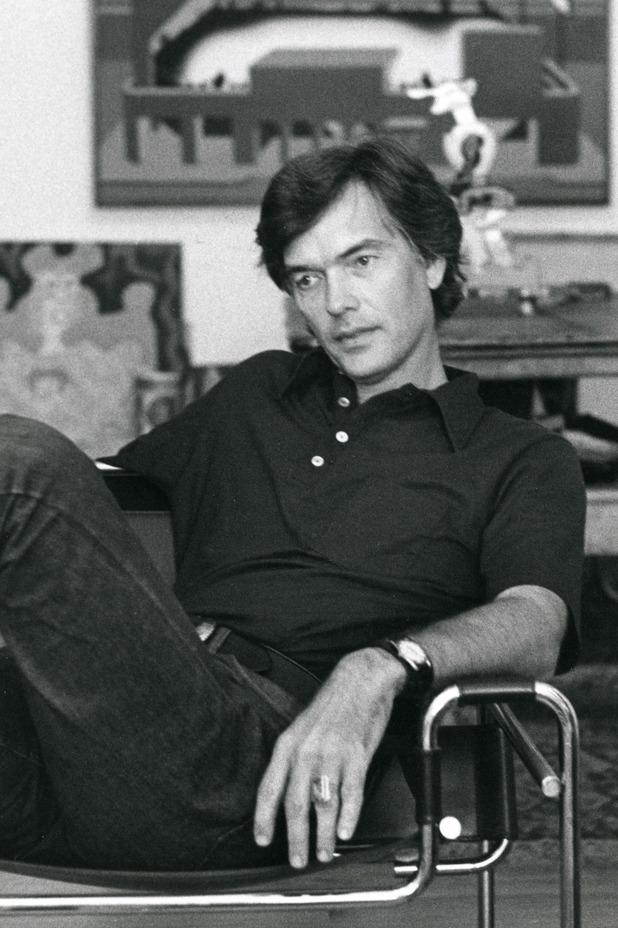
Edit pageRoger Brown
Biography
Roger Brown was an influential American artist best known for his role in the Chicago Imagists, a group of artists who rejected mainstream abstraction in favor of bold imagery, narrative scenes, and personal symbolism. His distinctive style—marked by flattened perspectives, vivid colors, and surreal storytelling—made him one of the most recognizable painters of the late 20th century.
Early Life and Education
Roger Brown was born on December 10, 1941, in Hamilton, Alabama, and grew up in Opelika. His Southern upbringing, including memories of rural landscapes, weather phenomena, and regional architecture, deeply influenced his later work. Brown showed artistic talent early and pursued formal art education as a way to explore his creative interests.
He earned his undergraduate degree at Auburn University before continuing his studies at the School of the Art Institute of Chicago. There, he studied under influential artists such as Ray Yoshida, who encouraged students to draw inspiration from popular culture, comics, folk art, and everyday imagery rather than traditional European art models.
Career and the Chicago Imagists
In the late 1960s and early 1970s, Roger Brown emerged as a leading figure among the Chicago Imagists, a loosely connected group that also included artists such as Jim Nutt, Gladys Nilsson, and Ed Paschke. Unlike the dominant Abstract Expressionist movement of the time, the Imagists emphasized figurative art, humor, and narrative content.
Brown’s paintings often depict stylized landscapes, cityscapes, and interior scenes rendered in flat planes of color and strong outlines. Many works include repeated motifs such as houses, trees, flames, storms, and ominous skies. These elements often suggest themes of environmental disaster, social tension, isolation, and vulnerability.
His work stood out for its emotional restraint combined with subtle unease. Beneath the clean compositions and decorative surfaces, Brown frequently addressed darker subjects such as violence, political unrest, and the fragility of human environments.
Artistic Style and Themes
Roger Brown’s style is immediately recognizable. He favored a simplified, almost diagrammatic approach to space, often using elevated viewpoints that allow the viewer to see entire scenes at once. His compositions feel orderly yet unsettling, with patterns that suggest control amid chaos.
Recurring themes in Brown’s work include natural disasters such as tornadoes and floods, references to death and catastrophe, and critiques of American culture. These images were often inspired by news reports, personal memories, and broader social anxieties of the late 20th century.
Despite the seriousness of his subject matter, Brown’s work often carries a quiet irony or deadpan humor, inviting viewers to reflect rather than react emotionally.
Personal Life
Roger Brown was openly gay and lived much of his adult life in Chicago. His personal experiences informed his sensitivity to themes of marginalization and identity, though his work rarely addressed these issues directly. He was also an avid collector of folk art, outsider art, and objects from diverse cultures, which influenced both his aesthetic and worldview.
In the later years of his life, Brown split his time between Chicago and California, continuing to produce art while also curating and collecting.
Later Years and Death
Roger Brown was diagnosed with AIDS-related illness in the early 1990s. He continued working until his health declined and he died on May 17, 1997, in Chicago at the age of 55.
Before his death, Brown made arrangements to preserve his artistic and personal legacy, donating his home and collection to support arts education and scholarship.