Personal info
Known for
Director
Gender
Male
Birthday
05 April
Location
Michigan, United States
Edit pageRoger Corman
Biography
Roger Corman was a legendary American filmmaker, producer, and studio executive known for his immense influence on independent cinema. Often called the “King of B-movies,” he built a reputation for producing low-budget films that were both commercially successful and creatively bold, while launching the careers of many major Hollywood figures.
Early Life & Education
Roger William Corman was born on April 5, 1926, in Detroit, Michigan, USA. He studied engineering at Stanford University, where he developed analytical skills that later helped him manage film production efficiently. After briefly working as an engineer, he shifted his focus to the film industry, driven by a passion for storytelling and cinema.
Career Beginnings
Corman entered Hollywood in the late 1940s, initially working as a story analyst. Dissatisfied with limited creative control, he began producing and directing his own films in the 1950s. His early projects were made on extremely tight budgets, often completed in just a few days.
Rise to Prominence
B-Movie Pioneer
Corman became famous for his ability to create profitable films with minimal resources. He directed and produced a wide variety of genres, including horror, science fiction, and crime.
Some of his notable films include:
House of Usher
The Pit and the Pendulum
The Masque of the Red Death
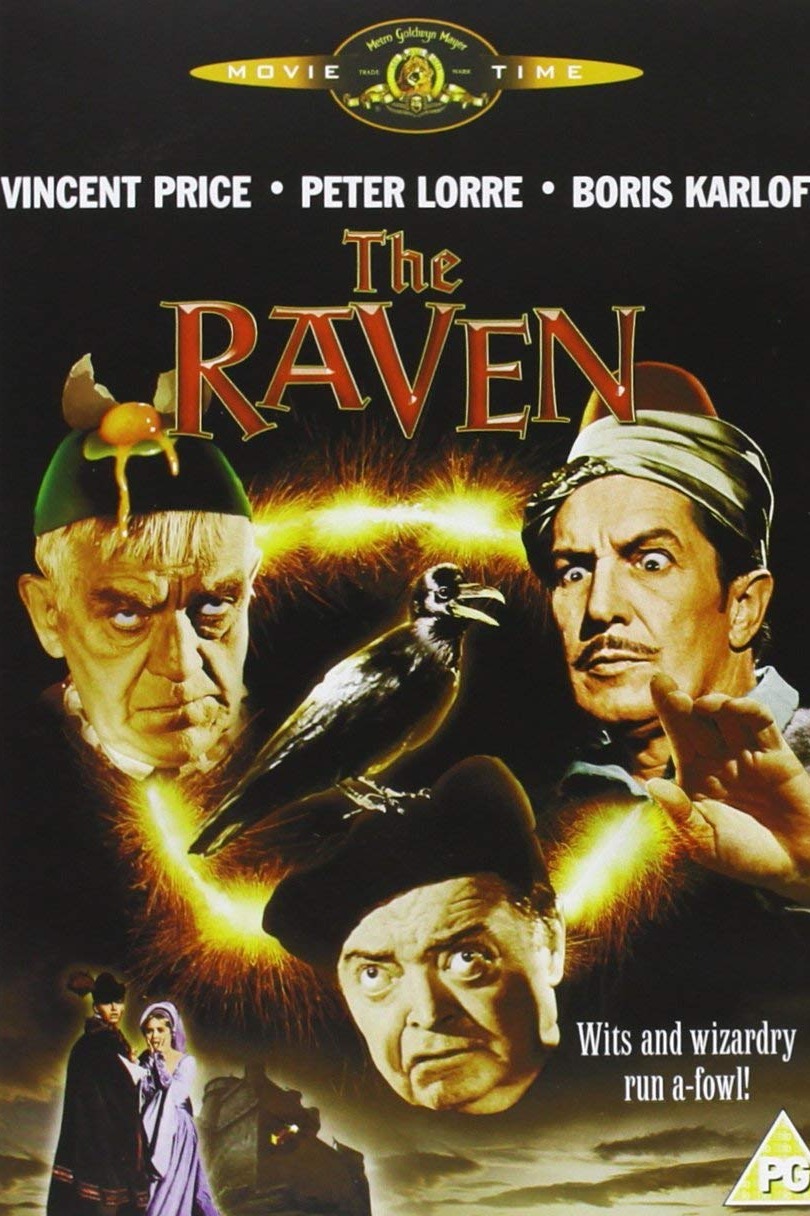
Many of these films were inspired by the works of Edgar Allan Poe and are still regarded as classics of Gothic horror.
New World Pictures & Mentorship
In 1970, Corman founded New World Pictures, which became a hub for emerging talent. He is widely credited with discovering and mentoring future Hollywood legends, including:
Francis Ford Coppola
Martin Scorsese
James Cameron
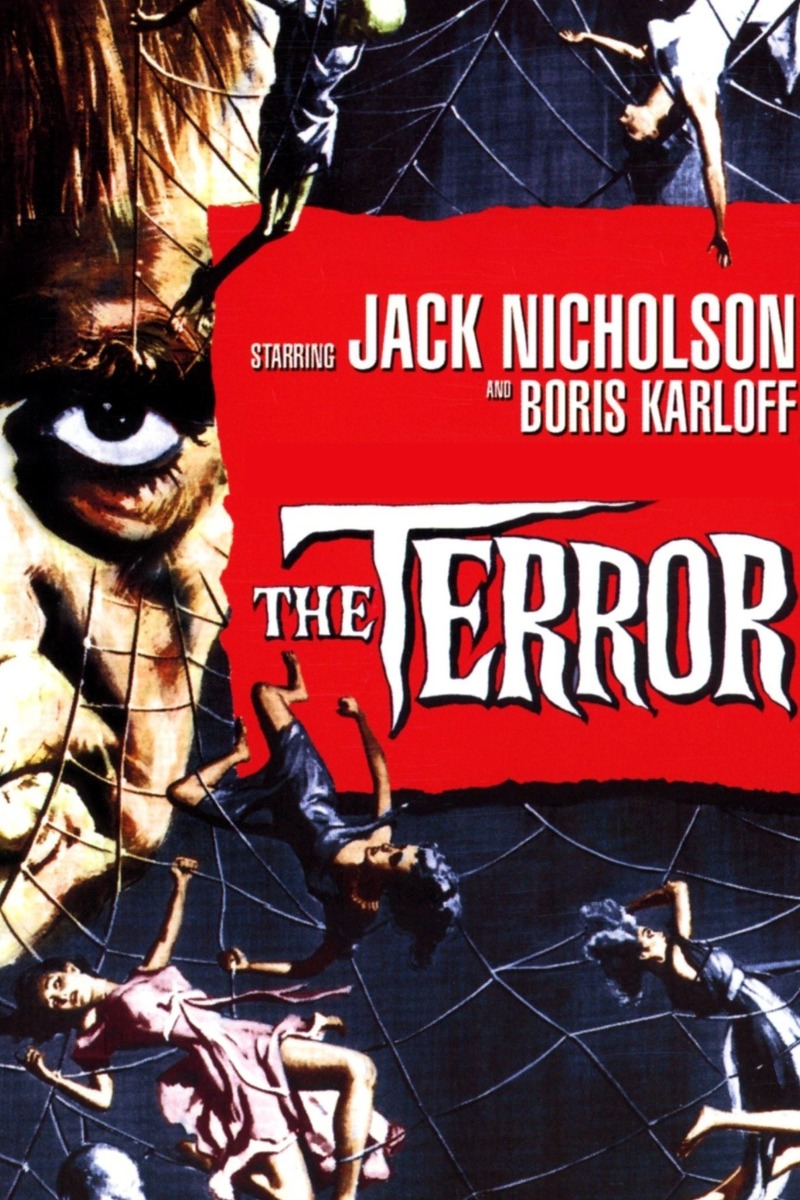
Jack Nicholson
These individuals went on to shape modern cinema, making Corman’s influence far-reaching.
Style & Impact
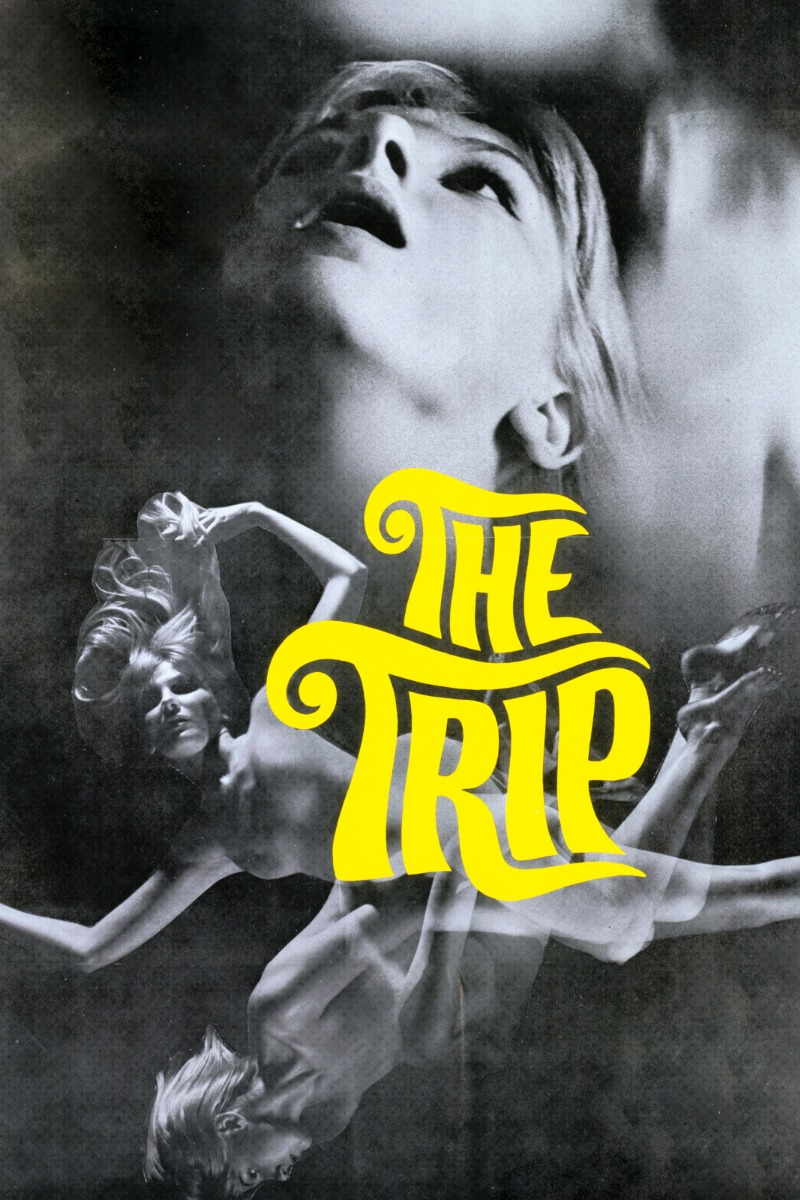
Corman’s filmmaking style emphasized efficiency, creativity, and experimentation. Despite low budgets, he often tackled unconventional themes, including social issues and counterculture movements.
His work demonstrated that independent films could succeed commercially, paving the way for the modern indie film movement.
Later Career & Recognition
Although he directed fewer films later in life, Corman remained active as a producer. His contributions to cinema were formally recognized when he received an Honorary Award at the Academy Awards in 2009.