Roman Polanski
Biography
Roman Polanski is a Polish-French film director, producer, writer, and actor whose career spans more than six decades. Known for his psychological intensity, atmospheric storytelling, and exploration of paranoia and moral ambiguity, Polanski remains one of the most acclaimed—and controversial—figures in world cinema.
Early Life
Roman Polanski was born as Raymond Thierry Liebling on August 18, 1933, in Paris, France, to Polish-Jewish parents. Shortly after his birth, his family returned to Poland. During World War II, Polanski survived the Holocaust in German-occupied Poland, enduring the Kraków Ghetto and living in hiding after his parents were deported to concentration camps. His mother perished in Auschwitz; his father survived Mauthausen.
These traumatic early experiences profoundly influenced Polanski’s later work, particularly his recurring themes of isolation, fear, and psychological breakdown.
After the war, he studied at the National Film School in Łódź, Poland, where he began making short films that attracted international attention.
Early Career and Breakthrough
Polanski first gained global recognition with his debut feature, Knife in the Water (1962), a tense psychological drama that earned an Academy Award nomination for Best Foreign Language Film. The film established him as a major new voice in European cinema.
He later moved to the United Kingdom, directing Repulsion (1965), a chilling portrait of mental disintegration, and Cul-de-sac (1966), further cementing his reputation for unsettling psychological narratives.
Hollywood Success
Polanski’s Hollywood breakthrough came with Rosemary's Baby (1968), a landmark horror film that blended psychological realism with supernatural dread. The film was both a critical and commercial success and remains one of the most influential horror films ever made.
In 1969, tragedy struck when his pregnant wife, actress Sharon Tate, was murdered by members of the Manson Family in Los Angeles. The event deeply affected Polanski’s personal and professional life.
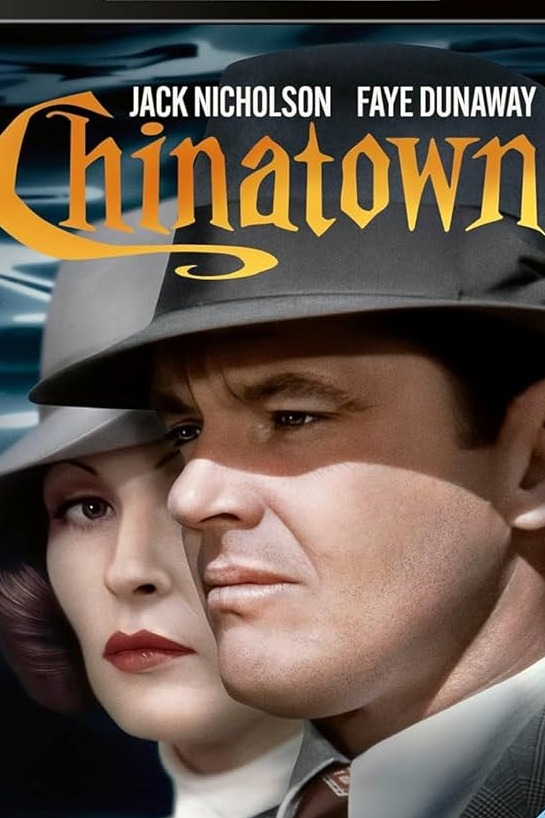
He returned to prominence with Chinatown (1974), a neo-noir masterpiece starring Jack Nicholson and Faye Dunaway. Widely regarded as one of the greatest films ever made, Chinatown earned Polanski an Academy Award nomination for Best Director and won the Oscar for Best Original Screenplay.
Legal Controversy and Exile
In 1977, Polanski was arrested in the United States and charged with unlawful sexual intercourse with a minor. He pleaded guilty to a lesser charge but fled the country in 1978 before sentencing. Since then, he has lived primarily in France and has been unable to return to the United States due to the outstanding warrant.
The case has continued to generate legal proceedings and public debate, significantly shaping his legacy and reputation.
Later Career and Awards
Despite his legal troubles, Polanski continued directing internationally acclaimed films. Among his later notable works:
The Pianist (2002) is based on the memoir of Holocaust survivor Władysław Szpilman. The film won the Palme d’Or at Cannes and earned Polanski the Academy Award for Best Director.
The Ghost Writer (2010) is a political thriller praised for its suspense and craftsmanship.
Carnage (2011) is a sharp chamber drama adapted from Yasmina Reza’s play.
The Pianist is often considered one of his most personal films, reflecting his own childhood experiences during the Holocaust.