Singeetam Srinivasa Rao
Biography
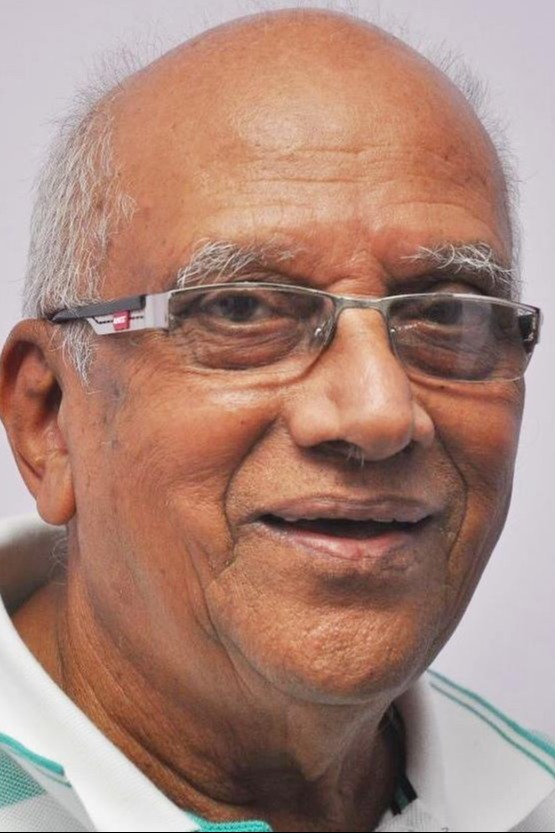
Singeetam Srinivasa Rao is an acclaimed Indian film director, screenwriter, and music-savvy storyteller known for his versatility, technical innovation, and intellectual depth. Renowned for seamlessly blending comedy, science fiction, fantasy, and classical arts, he is regarded as one of the most imaginative filmmakers in Indian cinema, with a career spanning multiple decades and languages.
Early Life and Background
Singeetam Srinivasa Rao was born on 21 September 1931 in Andhra Pradesh, India. He was raised in a culturally rich environment, with a strong exposure to classical music, literature, and the performing arts. His deep grounding in Carnatic music and traditional Indian aesthetics would later become a defining influence on his cinematic style. Before entering films, he pursued academic interests and initially worked outside the film industry.
Entry into Cinema
Srinivasa Rao began his film career as an assistant director, gaining hands-on experience and refining his storytelling skills. His early years in cinema allowed him to study both commercial and arthouse filmmaking, preparing him for a career that would bridge entertainment and experimentation.
Directorial Career
Singeetam Srinivasa Rao made his mark as a director with films that were ahead of their time, often combining strong narratives with technical novelty. He worked across several Indian languages, including Telugu, Tamil, Kannada, Hindi, and Malayalam.
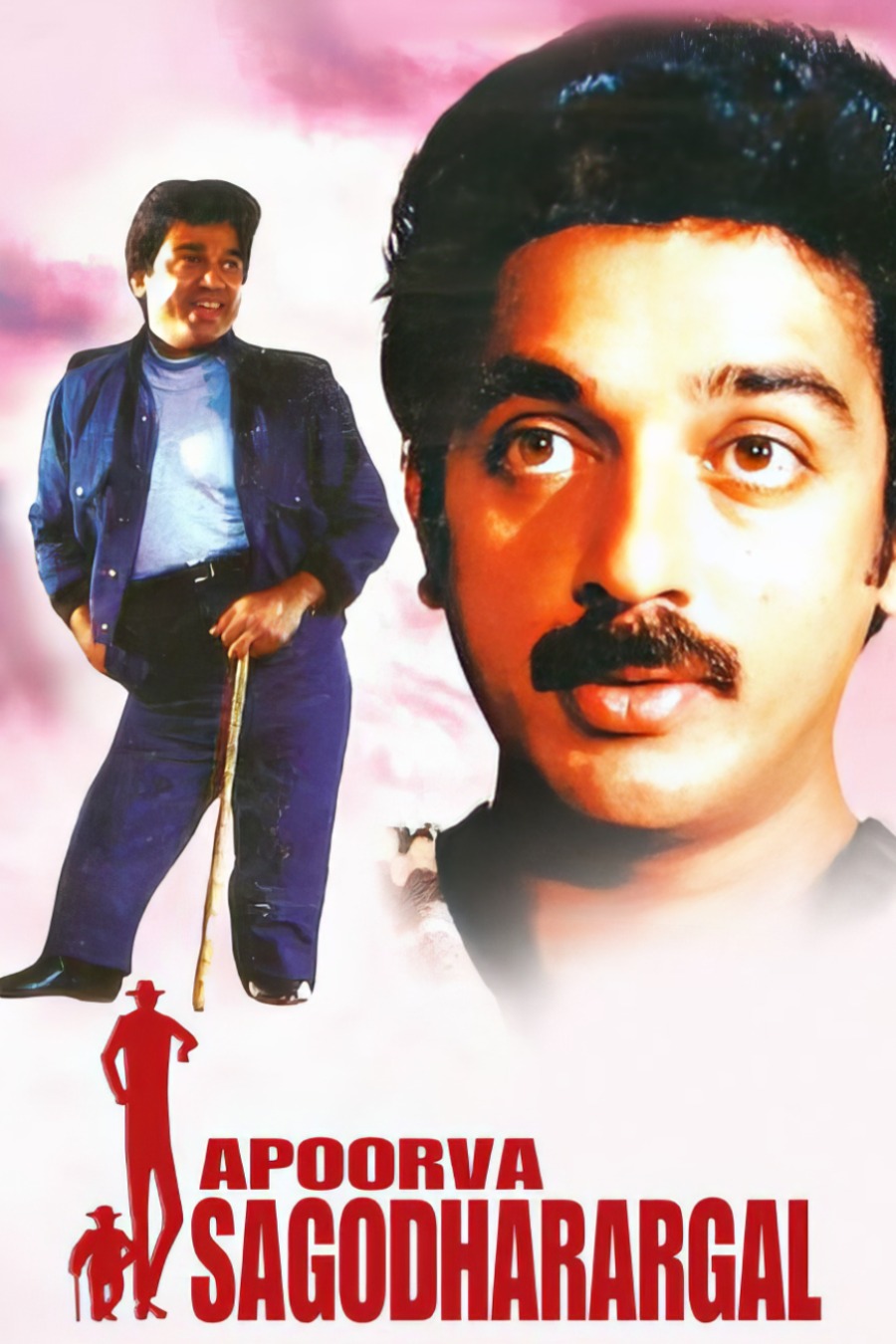
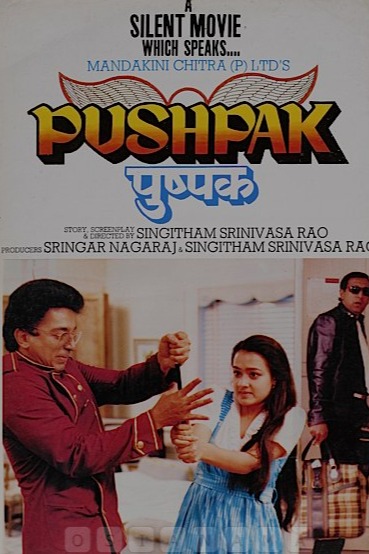
One of his most celebrated collaborations was with legendary actor Kamal Haasan. Together, they created several iconic films, including Pushpaka Vimana (1987), a silent black comedy that relied entirely on visual storytelling and gained international acclaim. Another notable collaboration was Apoorva Sagodharargal (1989), which showcased groundbreaking use of visual effects in Indian cinema, particularly in depicting dual roles and height manipulation.
His film Michael Madana Kama Rajan (1990) became a cult classic for its inventive narrative and comedic brilliance, while Aditya 369 (1991) is remembered as one of India’s earliest and most successful science fiction films, exploring time travel in a mainstream format.
Television and Other Works
In addition to films, Singeetam Srinivasa Rao contributed to Indian television, most notably directing Malgudi Days, based on the works of R. K. Narayan. The series is widely regarded as one of the finest television adaptations in India, praised for its simplicity, warmth, and fidelity to literary source material.
Awards and Recognition
Over the years, Singeetam Srinivasa Rao has received numerous awards and honors for his contributions to Indian cinema, including national and state-level recognitions. His work continues to be studied and admired for its originality and lasting influence.