Song Jin Sun
Biography
Jin Sun Song is a Korean creative producer and executive producer with more than two decades of experience in the Korean television and entertainment industry. She specializes in developing original Korean and Asian intellectual property for international audiences, working across story editing, project planning, IP development, creative producing, executive production, and international co-production.
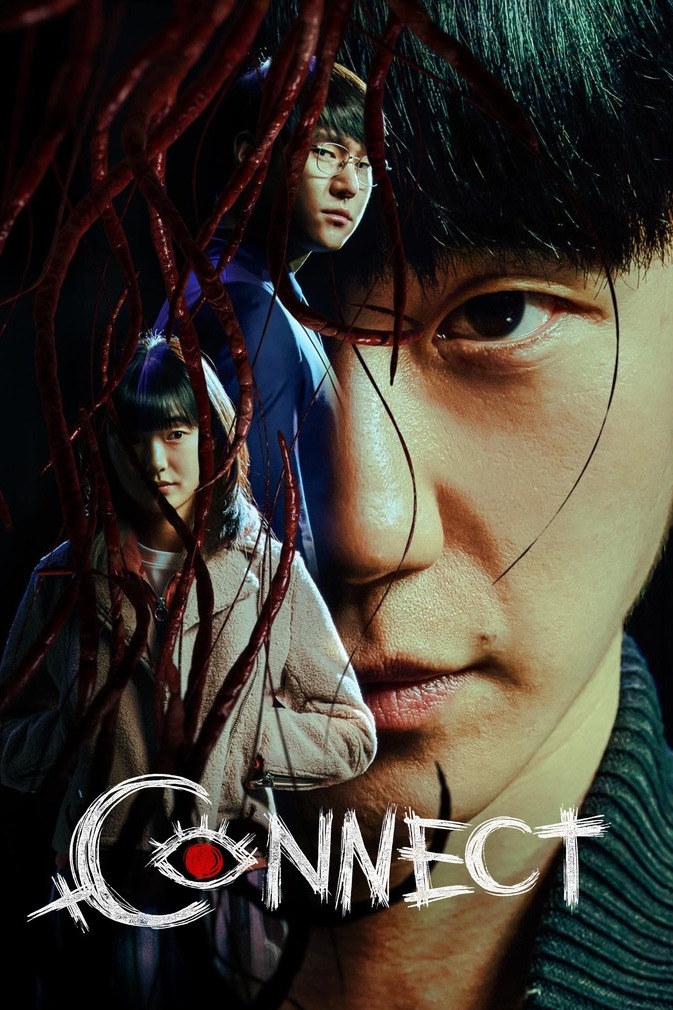
Song developed and led drama projects at SBS and Studio Dragon before founding Studio HaJI, where she focuses on creating original series and developing international co-productions. Her producing credits include The Whirlwind, What's Wrong with Secretary Kim, True Beauty, Duty After School, Connect, and Rugal.
Her professional experience covers a wide range of genres, including romance, coming-of-age drama, political drama, science fiction, thriller, horror, and international streaming series. She has collaborated with writers, directors, producers, platforms, and funding organizations across Taiwan, Singapore, Japan, Canada, and the United States.
Song's international work includes series development, adaptation strategy, script consulting, project packaging, and cross-border creative leadership. With an academic background in law and early professional experience as a comics writer and story editor, she combines creative storytelling with knowledge of intellectual property and international production.
Her areas of expertise include series bible development, adaptation, character and season design, script development, IP strategy, and creative supervision for both live-action and animated projects. She has also worked as a script consultant, mentor, and showrunner on projects connected with organizations such as Taiwan's Creative Content Agency and Singapore's Infocomm Media Development Authority.
As a producer, Song emphasizes the importance of developing a project's emotional core and narrative structure so that a story can remain compelling across episodes, seasons, formats, and international markets. She views the producer as a creative architect responsible not only for production management but also for shaping the project's overall narrative vision and long-term development.