Personal info
Known for
Director
Gender
Male
Birthday
29 September
Location
New York, United States
Edit pageStanley Kramer
Biography
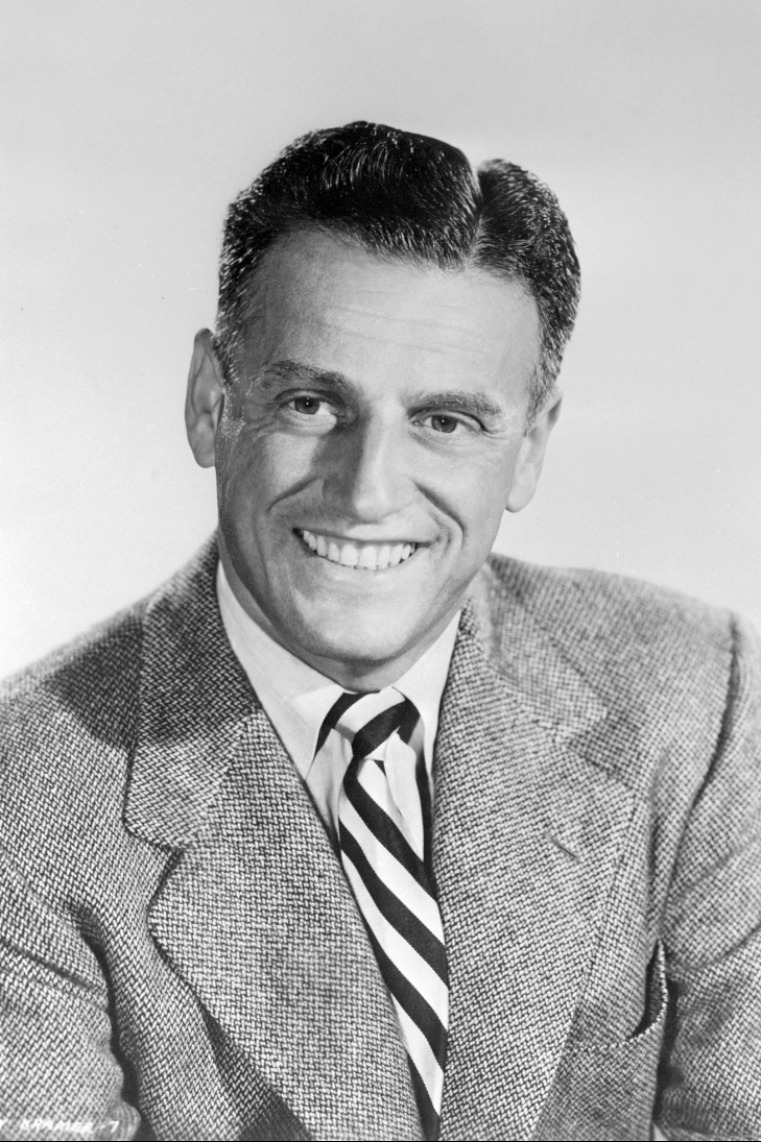
Stanley Kramer was an American film producer and director who became one of Hollywood's most important independent filmmakers. Throughout his career, he used cinema to explore social and political issues, including racism, intolerance, nuclear war, and injustice.
Early Life
Stanley Earl Kramer was born on September 29, 1913, in New York City, United States. He grew up in Manhattan and developed an interest in writing and filmmaking.
He attended DeWitt Clinton High School and later graduated from New York University. Before entering Hollywood, he worked in publishing and writing.
Early Hollywood Career
Kramer entered the film industry during the 1930s and worked in various production roles. He gained experience as a writer, editor, and production assistant before becoming a producer.
During the 1940s, he established himself as an independent producer and became known for taking on projects that major studios sometimes considered too controversial or risky.
Producer Career
Kramer produced several important films during the late 1940s and 1950s.
Among his early successes was ** Champion (1949)**, a boxing drama starring Kirk Douglas. The film was critically successful and helped establish Kramer as an ambitious producer.
He followed it with films such as:
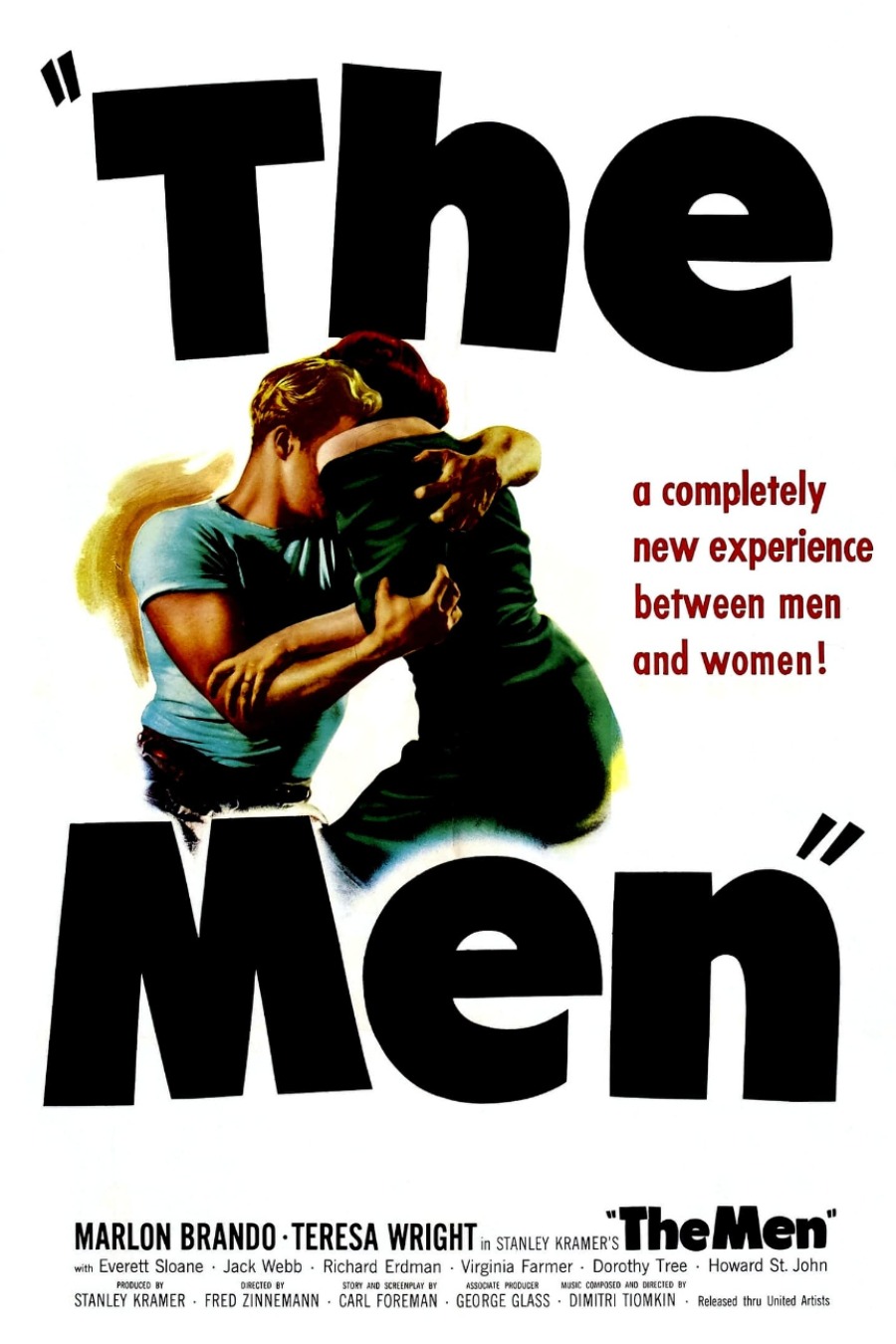
- The Men (1950)
- High Noon (1952)
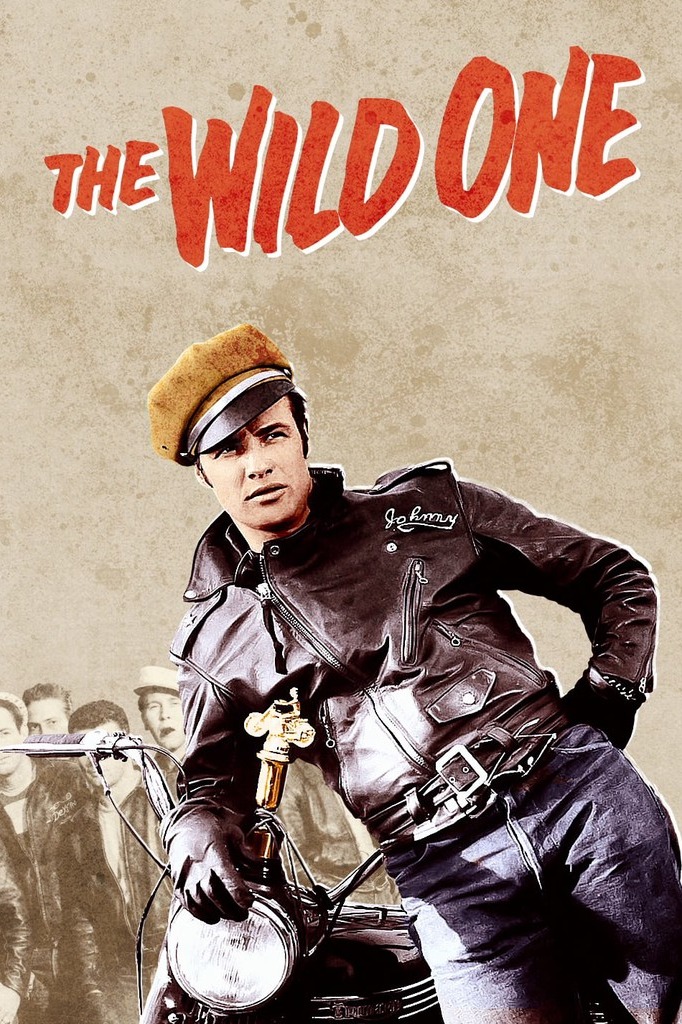
- The Wild One (1953)
- The Caine Mutiny (1954)
- Not as a Stranger (1955)
The Wild One
Kramer produced ** The Wild One (1953)**, directed by László Benedek and starring Marlon Brando.
The film portrayed motorcycle gang culture and postwar youth rebellion. Brando's performance as Johnny Strabler became one of the defining images of rebellious American youth.
The film was controversial at the time but later became an important part of American popular culture.
High Noon
One of Kramer's most celebrated productions was ** High Noon (1952)**, directed by Fred Zinnemann and starring Gary Cooper and Grace Kelly.
The Western follows a town marshal who must face a group of returning criminals while the townspeople refuse to help him.
The film became famous for its themes of courage, responsibility, and moral integrity. It received multiple Academy Awards, including Best Actor for Gary Cooper.
Directing Career
Kramer made his directorial debut with ** Not as a Stranger (1955)**.
He subsequently directed numerous films dealing with serious social and political subjects.
His directing credits included:
- The Pride and the Passion (1957)
- The Defiant Ones (1958)
- On the Beach (1959)
- Inherit the Wind (1960)
- Judgment at Nuremberg (1961)
- It's a Mad, Mad, Mad, Mad World (1963)
- Ship of Fools (1965)
- Guess Who's Coming to Dinner (1967)
- The Secret of Santa Vittoria (1969)
The Defiant Ones
** The Defiant Ones (1958)** starred Tony Curtis and Sidney Poitier as two escaped prisoners who are chained together despite their racial differences.
The film explored racism, prejudice, friendship, and cooperation.
Kramer received an Academy Award nomination for Best Director for the film, and the movie won two Academy Awards.
On the Beach
In ** On the Beach (1959)**, Kramer addressed the terrifying possibility of nuclear annihilation.
The film starred Gregory Peck, Ava Gardner, Fred Astaire, and Anthony Perkins and depicted survivors waiting for the effects of nuclear fallout to reach Australia after a devastating global war.
The film reflected the fears of the Cold War era and became one of the most significant anti-war films of its time.
Inherit the Wind
Kramer directed ** Inherit the Wind (1960)**, starring Spencer Tracy and Fredric March.
The film dramatized the famous Scopes "Monkey" Trial and explored the conflict between religious belief, science, freedom of thought, and intellectual debate.
Although fictionalized, the film became a major example of Kramer's interest in controversial social issues.
Judgment at Nuremberg
One of Kramer's most important films was ** Judgment at Nuremberg (1961)**.
The film examined the Nuremberg Trials and the responsibility of German judges and officials during the Nazi era.
It featured an exceptional cast including Spencer Tracy, Burt Lancaster, Richard Widmark, Marlene Dietrich, Maximilian Schell, Judy Garland, and Montgomery Clift.
The film received 11 Academy Award nominations, with Maximilian Schell winning Best Actor.
It's a Mad, Mad, Mad, Mad World
Kramer also demonstrated his versatility with the enormous comedy ** It's a Mad, Mad, Mad, Mad World (1963)**.
The film featured a huge ensemble cast and followed a group of people competing to find a hidden fortune.
The movie became a major box-office success and showed that Kramer could work successfully outside serious social drama.
Guess Who's Coming to Dinner
Kramer's ** Guess Who's Coming to Dinner (1967)** addressed interracial marriage at a time when racial tensions remained a major issue in the United States.
The film starred Spencer Tracy, Katharine Hepburn, Sidney Poitier, and Katharine Houghton.
It became a major commercial and critical success and received multiple Academy Award nominations. Katharine Hepburn won the Oscar for Best Actress, while the film's screenplay also won an Academy Award.
Awards and Honors
Kramer received numerous awards and nominations throughout his career.
He was nominated for the Academy Award for Best Director for The Defiant Ones and Judgment at Nuremberg, among other honors.
He also received the Irving G. Thalberg Memorial Award from the Academy of Motion Picture Arts and Sciences in recognition of his outstanding producing career.
Personal Life
Kramer was married three times. He had four children.
Despite working within the Hollywood studio system, he maintained a reputation for independence and frequently pursued projects that dealt with difficult social subjects.
Death
Stanley Kramer died on February 19, 2001, in Woodland Hills, Los Angeles, California, at the age of 87.