Stuart O Brien
Biography
Stuart O'Brien (27 May 1906 – 10 January 2004) was an American film editor whose career spanned decades in Hollywood. Although details about his early life remain relatively scarce, O’Brien became an important behind-the-scenes figure during a time when the film industry relied heavily on skilled editors to shape compelling stories from limited resources.
Career in Film Editing
Stuart O’Brien built his reputation working primarily on B-movies—low-budget productions that were often produced quickly and efficiently. These films, though modest in scale, required sharp technical skill and creativity, especially in the editing room where pacing and continuity were crucial.
O’Brien specialized in genres such as horror and exploitation films, which were particularly popular in mid-20th-century American cinema. His ability to enhance tension, maintain narrative flow, and maximize the impact of limited footage made him a valuable contributor to such productions.
Notable Works
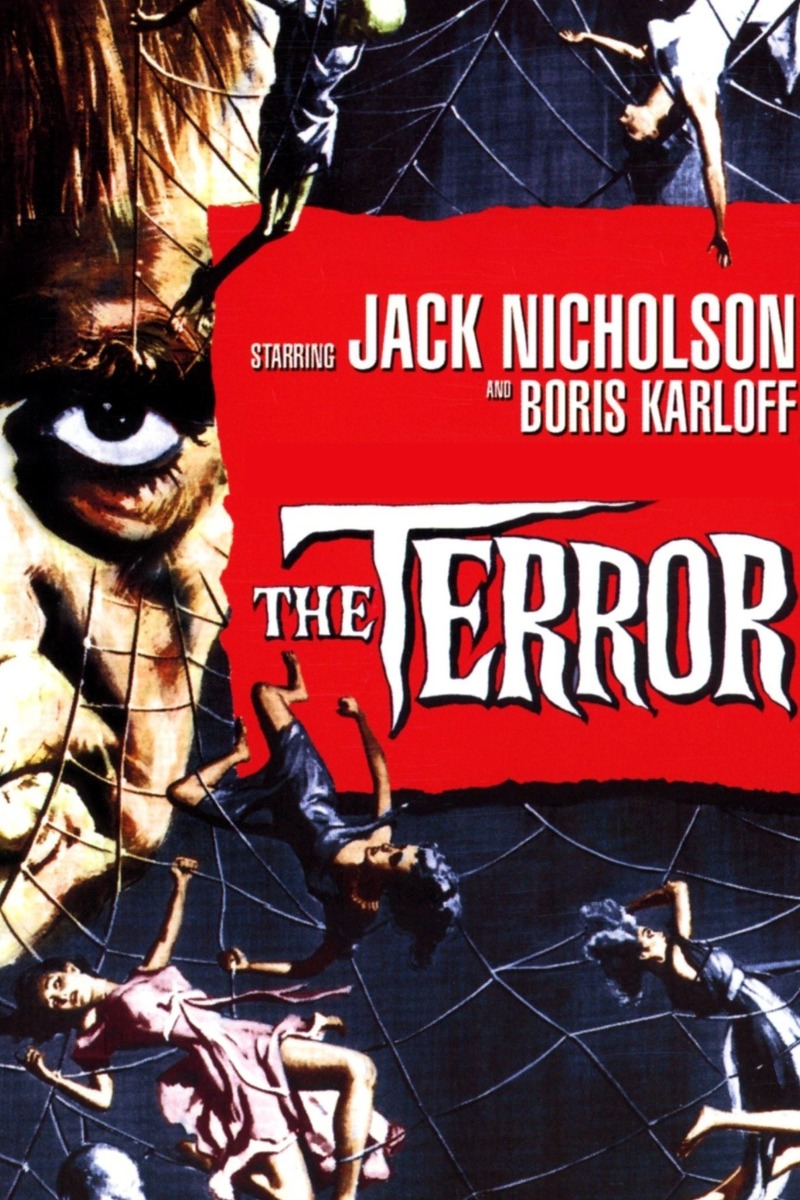
Among his most recognized credits are collaborations with influential filmmakers of independent cinema. He worked on The Terror (1963), produced by Roger Corman, a key figure in low-budget filmmaking known for launching many careers in Hollywood.
O’Brien also edited Dementia 13 (1963), directed by Francis Ford Coppola. This film marked one of Coppola’s earliest works and later gained cult status. O’Brien’s editing played a significant role in shaping the film’s eerie atmosphere and narrative coherence.
Legacy
Stuart O’Brien’s career reflects the importance of technical professionals in the filmmaking process. While editors often remain less visible than directors or actors, their contributions are fundamental to the success of any film.
O’Brien passed away on January 10, 2004, leaving behind a legacy tied to the world of B-movies and independent cinema. His work continues to be appreciated by enthusiasts of classic horror and exploitation films.