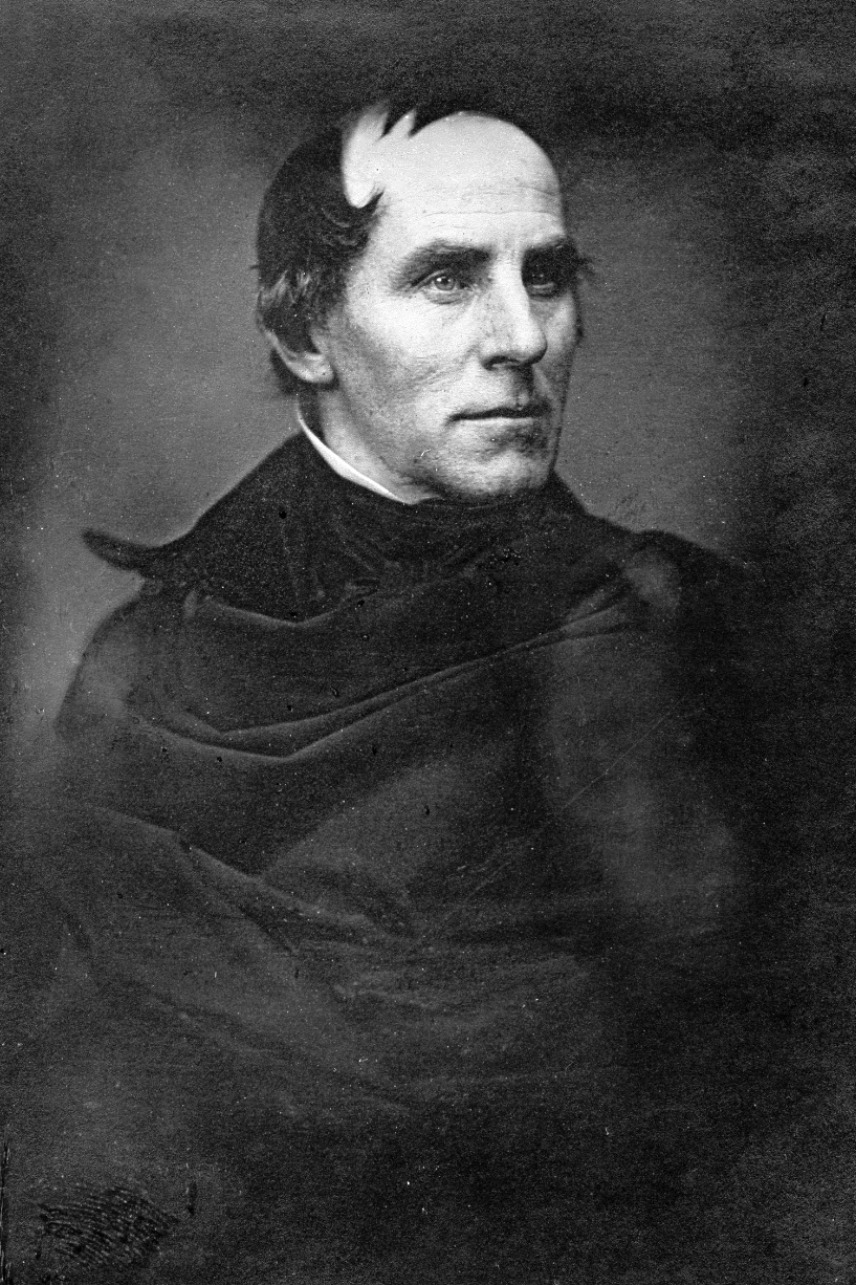
Personal info
Known for
Ultimate Talent
Gender
Male
Birthday
01 February
Location
England, United Kingdom
Edit pageThomas Cole
Biography
Thomas Cole was a British-born American painter best known as the founder of the Hudson River School, the first major movement in American landscape painting. Through his dramatic and symbolic depictions of the American wilderness, Cole helped define a national artistic identity rooted in nature, spirituality, and moral reflection.
Early Life and Education
Thomas Cole was born on February 1, 1801, in Bolton-le-Moors, Lancashire, England. His family immigrated to the United States in 1818, settling first in Ohio. Cole had little formal artistic training and was largely self-taught, developing his skills through observation, study, and experimentation.
His early experiences in both industrial England and the rural American frontier shaped his sensitivity to the contrast between civilization and wilderness—a theme that would become central to his work.
Career and Artistic Development
Cole moved to Philadelphia and later to New York City, where his landscape paintings gained attention in the mid-1820s. A turning point came when several of his works were noticed by prominent artists and patrons, launching his professional career.
Cole became known for his dramatic landscapes of the Hudson River Valley, Catskill Mountains, and other regions of the northeastern United States. His paintings captured sweeping vistas, rugged terrain, and luminous skies, presenting the American landscape as both beautiful and sublime.
Symbolism and Major Works
Beyond straightforward landscape painting, Cole often infused his work with moral and allegorical meaning. He believed nature reflected divine truth and that art should convey ethical lessons.
His most famous series, The Course of Empire (1833–1836), consists of five paintings that depict the rise and fall of a civilization, warning against unchecked ambition and materialism. Other important works include The Voyage of Life, The Oxbow, and Destruction.
These paintings combine careful observation of nature with symbolic narratives, setting Cole apart from later Hudson River School artists who focused more on realism.
Artistic Style and Themes
Cole’s style is characterized by dramatic contrasts of light and shadow, grand compositions, and attention to detail. He often juxtaposed untouched wilderness with signs of human presence, reflecting his concern about environmental destruction and moral decline.
Themes of spirituality, time, mortality, and the tension between nature and civilization run throughout his work. Cole viewed the American landscape as a sacred space worthy of reverence and protection.
Influence and Teaching
As the founder of the Hudson River School, Cole influenced an entire generation of American landscape painters. Among his students was Frederic Edwin Church, who would later expand the movement through monumental, global landscapes.
Cole’s ideas about the moral and spiritual role of landscape painting shaped American art well beyond his lifetime.
Later Life and Death
Thomas Cole continued painting, writing essays, and advocating for the preservation of natural landscapes until his untimely death. He died on February 11, 1848, in Catskill, New York, at the age of 47.