Personal info
Known for
Ultimate Talent
Gender
Male
Birthday
25 August
Location
Pennsylvania, United States
Edit pageThomas Eakins
Biography
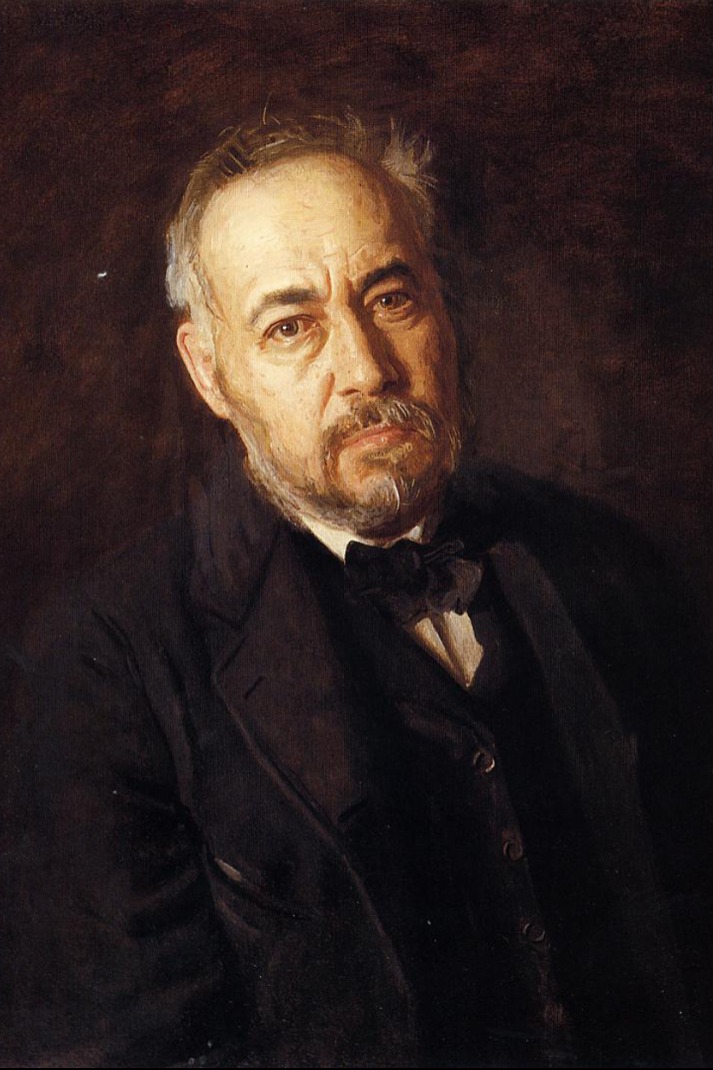
Thomas Eakins was one of the most important American realist painters of the 19th century. Known for his uncompromising commitment to anatomical accuracy and psychological depth, Eakins created powerful portraits and scenes of modern life that emphasized truth over sentimentality. His work significantly shaped American realism.
Early Life and Education
Thomas Eakins was born on July 25, 1844, in Philadelphia, Pennsylvania. From an early age, he demonstrated strong artistic ability and an interest in science. He studied at the Pennsylvania Academy of the Fine Arts before continuing his training in Paris at the École des Beaux-Arts under the academic painter Jean-Léon Gérôme.
During his time in Europe, Eakins developed a rigorous approach to studying anatomy and perspective, foundations that would define his artistic career.
Artistic Style and Realism
Eakins believed that art should represent life truthfully and without idealization. His style is characterized by:
Careful anatomical precision
Realistic depiction of the human body
Strong, focused compositions
Psychological insight in portraiture
He frequently used photography as a reference tool, integrating modern technology into his artistic process.
Major Works
One of Eakins’ most famous and controversial paintings is:
The Gross Clinic
This dramatic work portrays Dr. Samuel D. Gross performing surgery before a group of medical students. The painting was groundbreaking for its unflinching realism and its depiction of contemporary scientific practice.
Another significant work is The Agnew Clinic (1889), which further demonstrated his interest in medical subjects and the human form.
Eakins also painted numerous rowing scenes, reflecting his fascination with physical strength and athleticism, as well as intimate portraits that revealed the inner character of his sitters.
Teaching and Controversy
Thomas Eakins became a professor at the Pennsylvania Academy of the Fine Arts and later served as its director. However, his insistence on using nude models in mixed-gender classes led to controversy and ultimately his forced resignation in 1886.
Despite this setback, he continued to teach privately and remained dedicated to his principles of realism and academic discipline.
Later Years and Recognition
During his lifetime, Eakins did not receive widespread acclaim, partly due to his uncompromising style and controversial teaching methods. However, later generations recognized his profound contribution to American art.
He passed away on June 25, 1916, in Philadelphia.