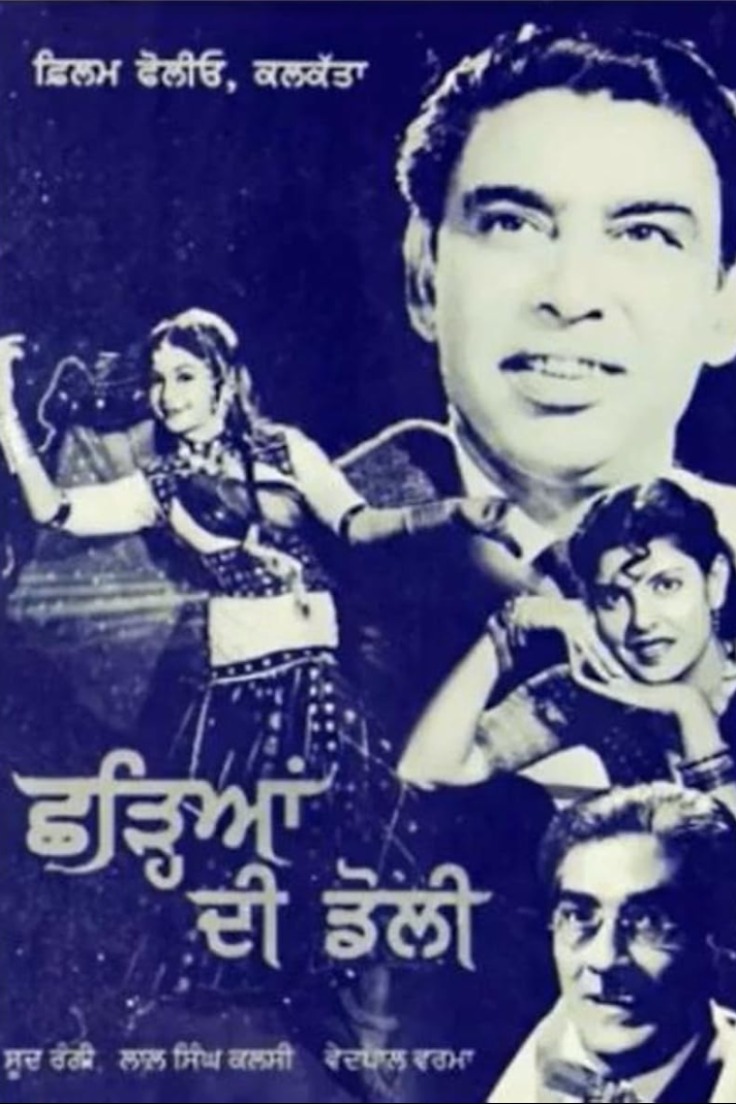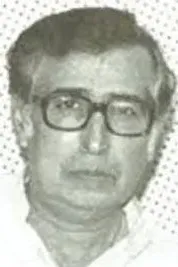
Vedpal Verma
Biography
Vedpal Verma (date of birth not available – 19 December 1996) was an Indian music director, lyricist, and story writer who worked primarily in Hindi cinema, while also contributing to Bengali, Tamil, and Malayalam films. Though he never achieved mainstream stardom, he left behind a diverse body of work that included film music, non-film songs, radio compositions, and some of India’s most memorable advertising jingles.
Early Life and Musical Training
Vedpal Verma was born in Sirsa, then part of undivided India (now in Haryana). From a young age, he showed an inclination toward music and received training under musicians such as Jituram and Matiram.
He later worked as a music director at All India Radio, where he refined his skills in composition and orchestration.
Recognizing his talent, film personalities S. S. Oberoi and lyricist Madhukar encouraged him to move to Bombay (now Mumbai) to pursue a career in films.
Struggles in Bollywood
Vedpal initially worked as a story writer and lyricist before transitioning fully into music direction. With assistance from lyricist Ramesh Shastri—known for the song “Hawa Mein Udta Jaaye Mera Laal Dupatta Malmal Ka” from Barsaat—Vedpal got the opportunity to compose for Parichay (1954). Unfortunately, the film did not perform well at the box office.
Earlier, he had scored music for Aayi Phir Se Bahar (1960), but the film was never released. His career struggled to gain consistent momentum, and he often found himself working on smaller or lesser-known productions.
Notable Film Work
Despite setbacks, Vedpal continued composing music and worked on approximately 14 Hindi films, creating around 89 songs, while also writing 31 songs for seven films.
Some of his notable projects include:
Bhootnath – Directed by Nanabhai Bhatt, this film brought him some recognition, and its music was appreciated.
Sant Tukaram – Another relatively successful venture.
Kaadu (Malayalam)
Malainaattu Mangai (Tamil)
Hum Junglee Hain (Hindi version)
The trilingual project released in 1973 had popular songs across languages, and Vedpal also wrote lyrics for the Hindi version.
In addition, he composed music for an English-language film titled The Right and the Wrong (1970), produced in the West Indies. The music was composed in India and later taken abroad for the film’s production—an unusual international collaboration for its time.
Work Beyond Films
As film offers declined, Vedpal shifted focus to non-film music. He composed songs for radio broadcasts, documentaries, stage plays, and advertising.
One of his most enduring legacies lies in commercial jingles. He is credited with composing the iconic Nirma washing powder jingle, which became a household anthem in India during the late 1980s and 1990s:
Nirma… Nirma…
Washing Powder Nirma…
In addition to Nirma, he created hundreds of popular jingles for brands such as Vicco, Paan Parag, Frooti, and Rasna. These compositions reached millions of households and often became more recognizable than his film songs.
Career Overview
Though immensely talented, Vedpal Verma struggled to break into mainstream, big-budget cinema and was often confined to B-grade productions. Nevertheless, his versatility allowed him to work across languages and media.
His career reflects the journey of many gifted composers who, despite skill and dedication, remained under-recognized in the competitive film industry.
Final Years and Death
In his later years, Vedpal lived modestly in Mumbai. He spent his final days in a small single room at Prasad Shopping Complex in Girgaon.
He passed away on 19 December 1996. Though his film career may not have achieved lasting fame, his contributions to Indian advertising music and regional cinema remain a significant, if often overlooked, part of India’s musical heritage.