Personal info
Known for
Ultimate Talent
Gender
Male
Birthday
26 February
Location
Doubs, France
Edit pageVictor Hugo
Biography
Victor-Marie Hugo, Vicomte Hugo (26 February 1802 – 22 May 1885), was one of France’s greatest Romantic writers as well as an influential political figure. His literary career spanned more than six decades, during which he worked across multiple genres, including novels, poetry, drama, essays, and political writings.
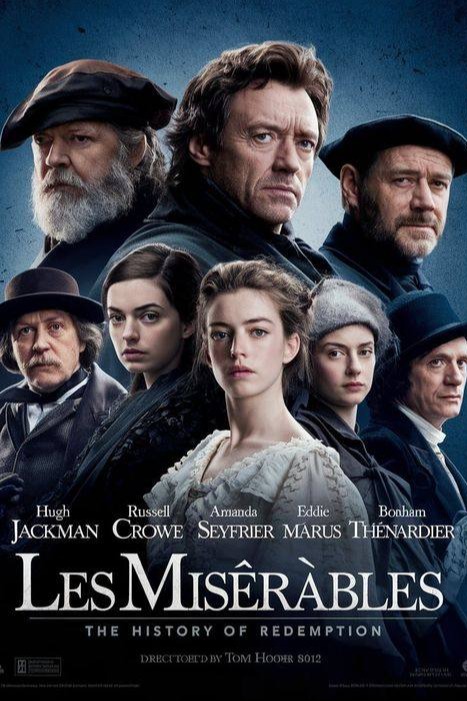
Hugo is best remembered worldwide for his classic novels The Hunchback of Notre-Dame (1831) and Les Misérables (1862), both of which remain among the most celebrated works of world literature. In France, he is equally revered as a poet, particularly for collections such as Les Contemplations and La Légende des siècles. He played a leading role in shaping the Romantic movement, especially through his play Cromwell and the groundbreaking drama Hernani, which challenged traditional theatrical conventions.
His creative influence extended beyond literature. Many of Hugo’s works inspired musical adaptations, including the opera Rigoletto and the world-famous musicals Les Misérables and Notre-Dame de Paris. In addition to writing, Hugo was also a prolific artist, producing more than 4,000 drawings during his lifetime.
Hugo was deeply committed to social justice. He openly campaigned against capital punishment, slavery, and social inequality. Although he began his life as a royalist, his political beliefs evolved, and he became a strong supporter of republicanism. He later served France as both a deputy and a senator, using his voice to advocate for democratic ideals and human rights.
His writings reflected the major political, social, and artistic debates of his era, making him not only a literary giant but also a moral and political conscience of 19th-century France. His opposition to absolutism and his immense cultural influence established him as a national hero.
Victor Hugo passed away on 22 May 1885 at the age of 83. He was honored with a state funeral at the Panthéon in Paris, attended by more than two million people — the largest funeral gathering in French history — a testament to his enduring legacy as one of France’s most revered figures.