Personal info
Known for
Ultimate Talent
Gender
Male
Birthday
22 July
Location
Kentucky, United States
Edit pageWalter Ufer
Biography
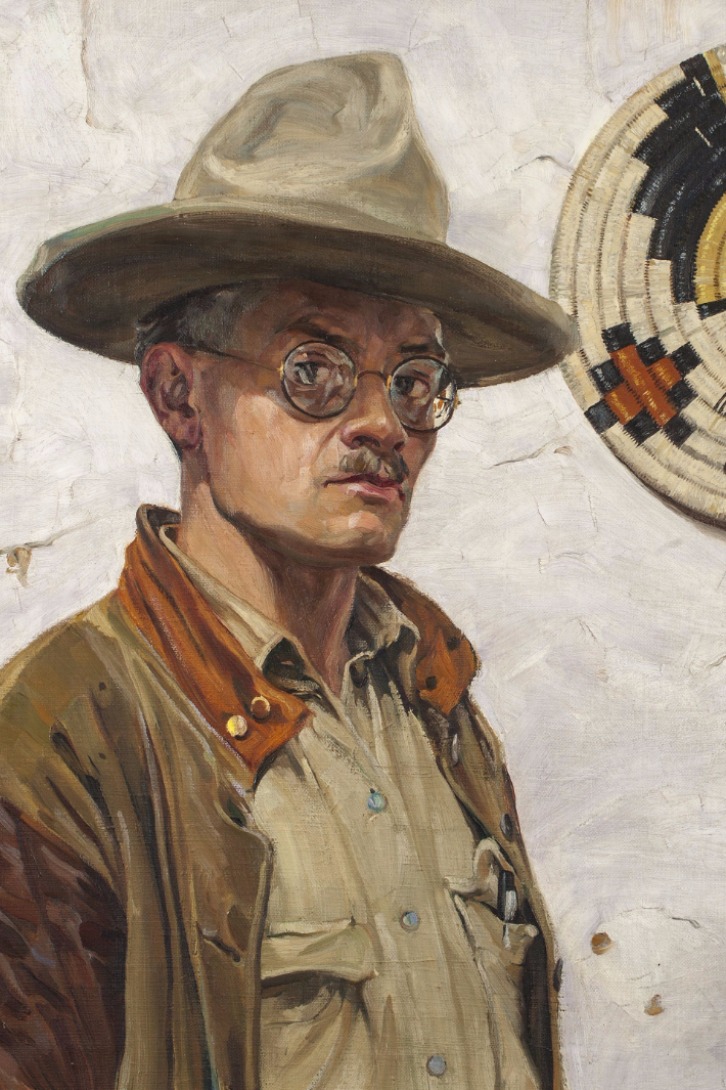
Walter Ufer was a German-born American painter best known for his realistic paintings depicting Native American life, particularly the people and landscapes of Taos, New Mexico. He was an important member of the Taos Society of Artists and became recognised for his vivid colours, expressive brushwork and attention to everyday life in the American Southwest.
Born on July 22, 1876, in Hückeswagen, Germany, Ufer immigrated to the United States with his family in 1880 and grew up in Louisville, Kentucky. He initially trained as a commercial lithographer before pursuing painting. He studied art in Hamburg and Dresden, Germany, and later continued his education in Munich. He also worked as a commercial illustrator and portrait painter in Chicago.
In 1914, Ufer travelled to Taos, New Mexico, with financial support from Chicago art patron Carter Harrison Jr. He was deeply inspired by the region's landscapes, culture and Pueblo communities. In 1917, he became a member of the Taos Society of Artists and eventually settled permanently in the area. Unlike many artists of his time, he portrayed Native American people as individuals living in contemporary society rather than simply as romantic figures of the past.
Notable Works
Some of his recognised paintings include Rio Grande (1915), Land of Mañana (1916), The Gateway (1918), Early Morning—Taos, Indian on Horseback with Colt and Crossing the Rio Grande.
Awards and Recognition
Ufer received several important awards during his career, including the Cahn Prize in 1916 and the Logan Prize in 1917. In 1920, he became the first Taos artist to win a prize at the Carnegie International. He also received recognition from the National Academy of Design.
Death and Legacy
Walter Ufer died on August 2, 1936, in New Mexico, at the age of 60. He is remembered for his significant contribution to American Western art and for his powerful portrayals of Native American communities and the landscapes of New Mexico.