Personal info
Known for
Music Director
Gender
Female
Birthday
14 November
Location
Rhode Island, United States
Edit pageWendy Carlos
Biography
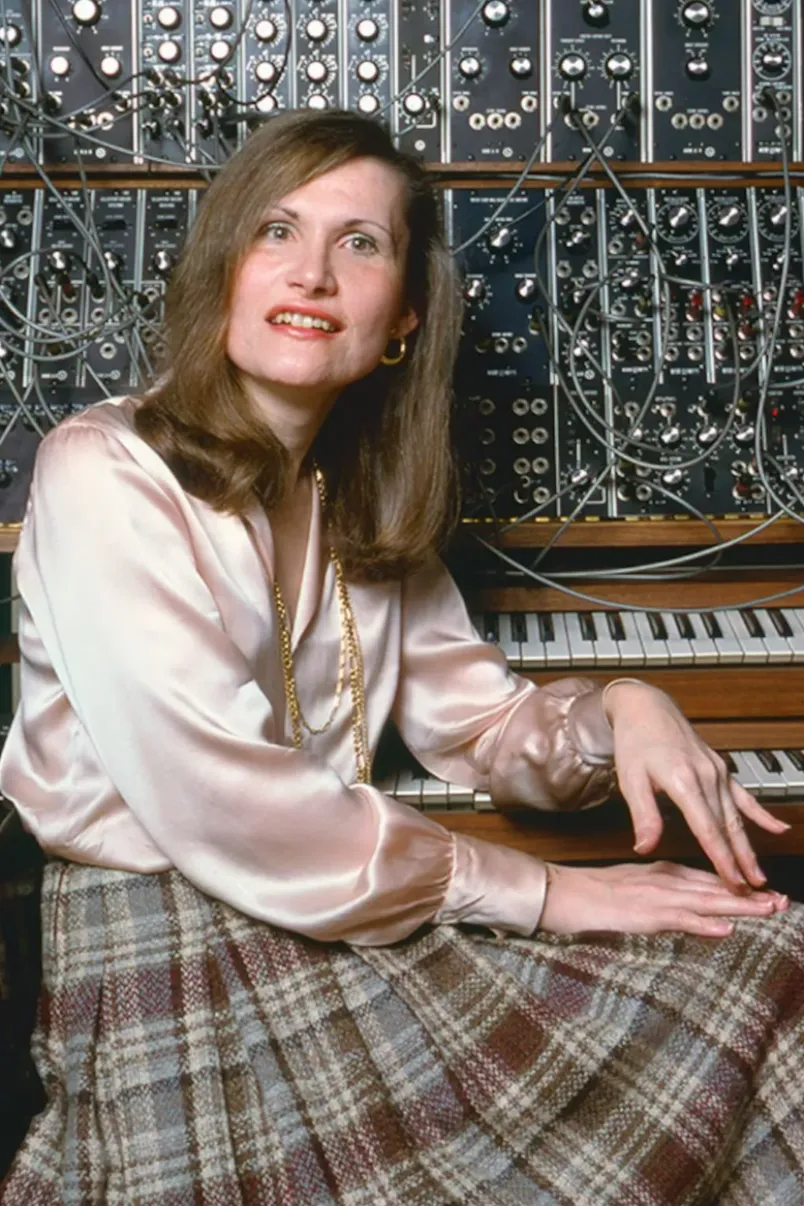
Wendy Carlos (born Walter Carlos; November 14, 1939) is an American musician, composer, and electronic music pioneer best known for her groundbreaking work with synthesizers and influential film scores. She played a crucial role in bringing electronic music into mainstream culture during the late 1960s and 1970s, particularly through her innovative use of the Moog synthesizer.
Early Life and Education
Born and raised in Pawtucket, Rhode Island, Wendy Carlos showed an early aptitude for both science and music. She studied physics and music at Brown University, reflecting her dual interests in technical innovation and artistic expression.
In 1962, Carlos moved to New York City to pursue graduate studies in music composition at Columbia University. While there, she became involved with the Columbia-Princeton Electronic Music Center, one of the leading institutions in experimental electronic sound at the time.
It was during this period that she collaborated with engineer Robert Moog, contributing feedback and ideas that helped refine the Moog synthesizer—one of the first commercially viable keyboard-based electronic instruments. Her input was instrumental in making the synthesizer more musician-friendly and expressive.
Breakthrough: Switched-On Bach (1968)
Carlos achieved international fame with the release of Switched-On Bach in 1968. The album featured compositions by Johann Sebastian Bach performed entirely on a Moog synthesizer.
The project was revolutionary: at a time when electronic instruments were often associated with experimental or avant-garde music, Carlos demonstrated that synthesizers could faithfully interpret complex classical works with clarity and musicality.
The album became a major commercial success and won three Grammy Awards. More importantly, it helped popularize the synthesizer in popular music, influencing artists across genres throughout the 1970s and beyond.
Film Scores
Wendy Carlos also made a lasting impact in cinema through her work as a film composer.
A Clockwork Orange (1971)
For Stanley Kubrick’s dystopian film, Carlos created a distinctive electronic score that fused classical adaptations with futuristic textures. The music significantly shaped the film’s unsettling atmosphere.
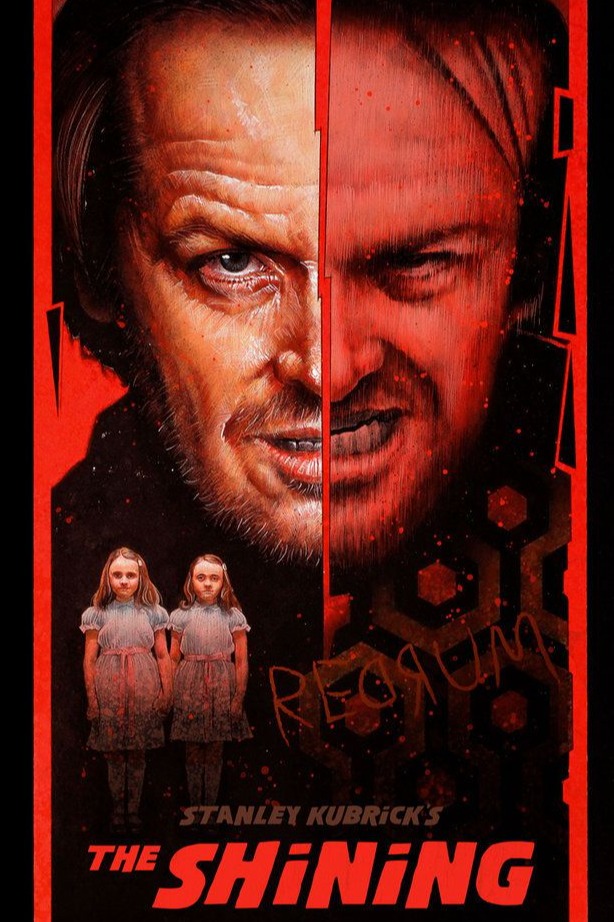
The Shining (1980)
Carlos again collaborated with Kubrick, contributing electronic compositions that enhanced the psychological tension and eerie tone of the horror classic.
Tron (1982)
For Walt Disney Productions’ science fiction film Tron, Carlos composed a score that blended orchestral music with electronic elements, reflecting the film’s digital and futuristic themes.
Personal Life and Advocacy
In 1979, Wendy Carlos publicly disclosed that she was a transgender woman and had been living as a woman since at least 1968. She had undergone gender-affirming surgery in 1972.
Her announcement brought significant public attention to transgender issues at a time when such discussions were rare in mainstream media. By sharing her story, Carlos contributed to greater visibility and understanding of transgender identities.