Personal info
Known for
Cinematographer
Gender
Male
Birthday
29 September
Location
California, United States
Edit pageWilliam A. Fraker
Biography
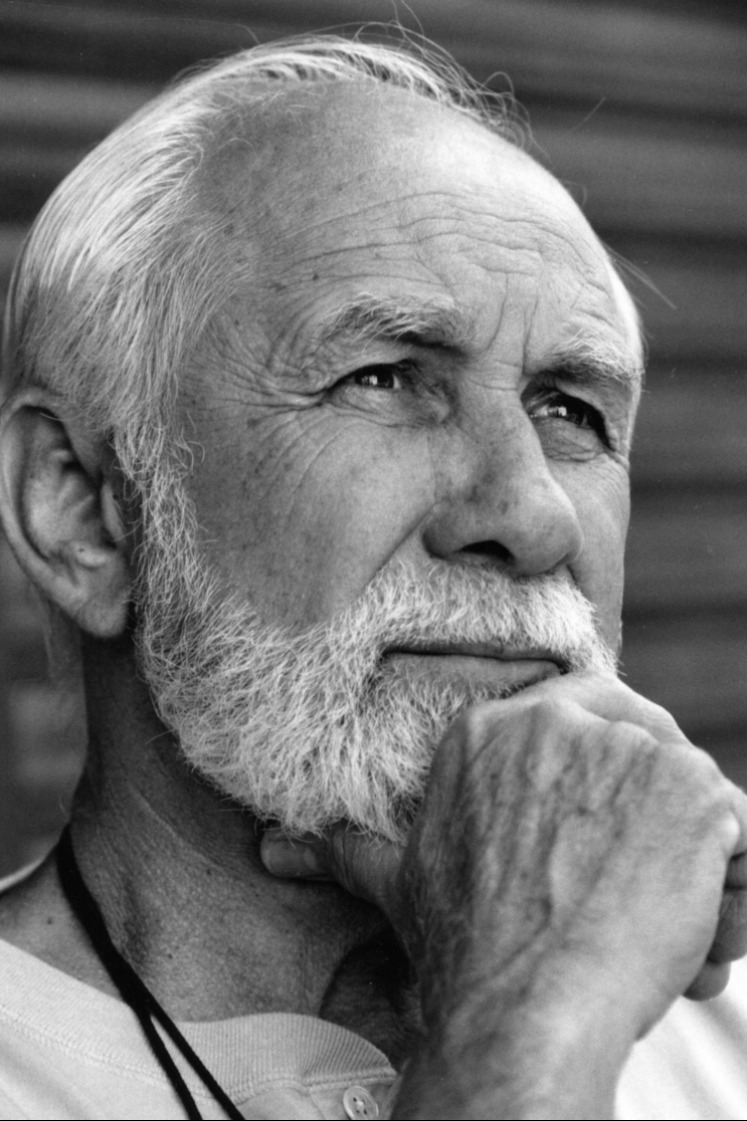
William Ashman Fraker was an American cinematographer, director, and producer who became one of the most respected visual artists of Hollywood cinema. His career covered television, feature films, and later productions, and he was particularly admired for his dynamic camera work and sophisticated visual style.
Early Life
William A. Fraker was born on September 29, 1923, in Los Angeles, California. He came from a family connected to photography and Hollywood. His father, William Fraker Jr., was a studio still photographer, while other members of his family also worked as photographers.
Fraker served in the U.S. Navy during World War II in the Pacific. After the war, he attended the University of Southern California's film school using the G.I. Bill.
Early Career
Fraker entered professional cinematography through television. In the 1950s, he worked on productions including The Lone Ranger and The Adventures of Ozzie and Harriet, gradually advancing from assistant camera positions to camera operator.
His television experience gave him extensive practical knowledge of lighting, camera movement, and composition before he moved into major feature films.
Rise in Hollywood
Fraker became increasingly prominent during the 1960s. His cinematography was particularly suited to films that required sophisticated lighting and energetic camera movement.
Some of his important early film credits included The President's Analyst (1967) and The Fox (1967).
Rosemary's Baby
One of Fraker's most celebrated achievements was ** Rosemary's Baby (1968)**, directed by Roman Polanski and starring Mia Farrow.
The film's unsettling visual style relied heavily on Fraker's cinematography. His compositions and use of perspective helped create a feeling of paranoia and psychological unease.
The film remains one of the most influential horror films of the 1960s.
Bullitt
Fraker's most famous cinematography may be his work on ** Bullitt (1968)**, starring Steve McQueen.
The film became legendary for its San Francisco car chase. Fraker helped create the sequence's unusually immediate and realistic appearance, including filming dangerous footage from a moving vehicle.
His willingness to take risks contributed to the sequence's lasting reputation as one of cinema's greatest car chases.
Paint Your Wagon
Fraker continued his successful collaboration with Hollywood productions through ** Paint Your Wagon (1969)**, directed by Joshua Logan and starring Clint Eastwood and Lee Marvin.
The large-scale Western musical presented new visual challenges, requiring extensive outdoor photography and elaborate production design.
Directing Career
Fraker also worked as a director. His theatrical directing credits included:
- Monte Walsh (1970)
- A Reflection of Fear (1972)
- The Legend of the Lone Ranger (1981)
He also directed episodes of television programs including Wiseguy, The Flash, B.L. Stryker, and Houston Knights.
Later Cinematography Career
Fraker continued to work as a cinematographer on major productions throughout the 1970s and 1980s.
His notable credits included:
- The Day of the Dolphin (1973)
- Looking for Mr. Goodbar (1977)
- Heaven Can Wait (1978)
- 1941 (1979)
- WarGames (1983)
- Irreconcilable Differences (1984)
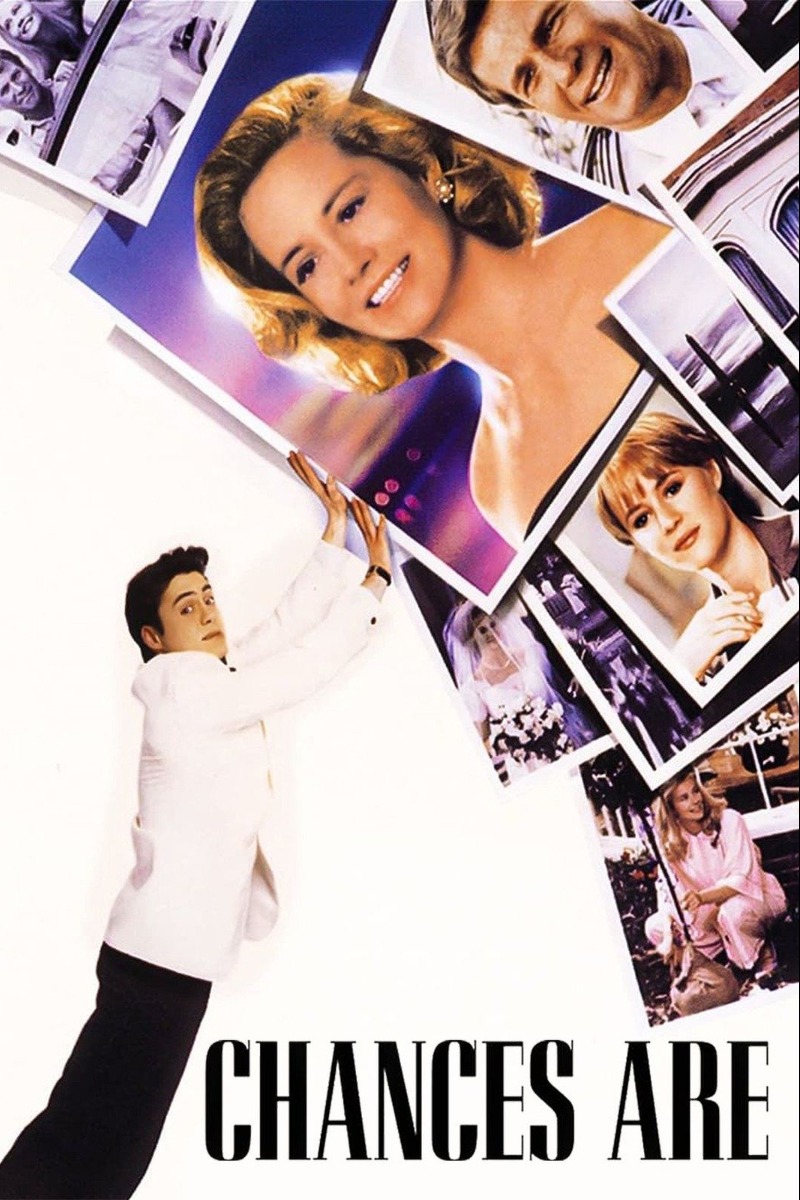
- Murphy's Romance (1985)
His work on these films demonstrated his ability to adapt his visual style to drama, comedy, science fiction, and action.
WarGames
In ** WarGames (1983)**, Fraker photographed the Cold War-era technological thriller starring Matthew Broderick.
The film's combination of computer technology, military environments, and youthful adventure required a polished but atmospheric visual style. The movie became a major success and remains a popular science-fiction thriller.
Tombstone
Fraker served as cinematographer on ** Tombstone (1993)**, the popular Western starring Kurt Russell, Val Kilmer, and Sam Elliott.
The film allowed him to return to the Western genre and create expansive landscapes alongside detailed action and character photography.
The Island of Dr. Moreau
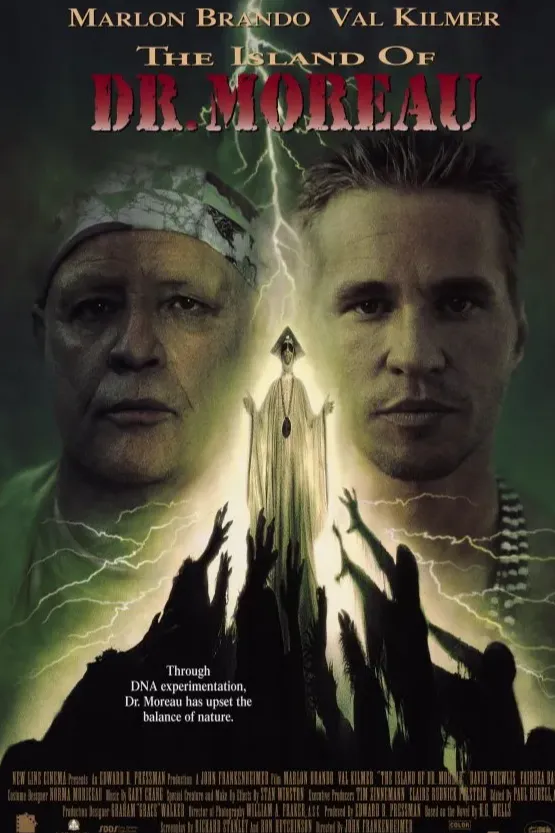
Fraker was also the cinematographer for ** The Island of Dr. Moreau (1996)**, directed by John Frankenheimer and starring Marlon Brando, David Thewlis, and Val Kilmer.
The film presented a visually unusual world populated by genetically transformed human-animal creatures. Fraker's photography helped establish the isolated and surreal atmosphere of Dr. Moreau's island.
Awards and Recognition
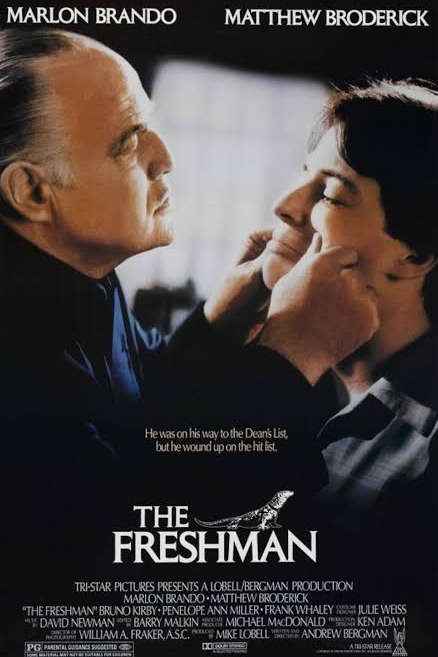
Fraker received five Academy Award nominations for Best Cinematography during his career. His nominated films included Looking for Mr. Goodbar, Heaven Can Wait, 1941, WarGames, and Murphy's Romance.
He was also a prominent member and supporter of the American Society of Cinematographers (ASC) and served as its president multiple times. In 2000, he received the ASC's Lifetime Achievement Award in recognition of his outstanding career.
Personal Life
Fraker was married to Denise Fraker. He remained involved with cinematography and film education later in life and continued to be respected by younger generations of filmmakers.
Death
William A. Fraker died on May 31, 2010, in Los Angeles, California, at the age of 86, following a battle with cancer.