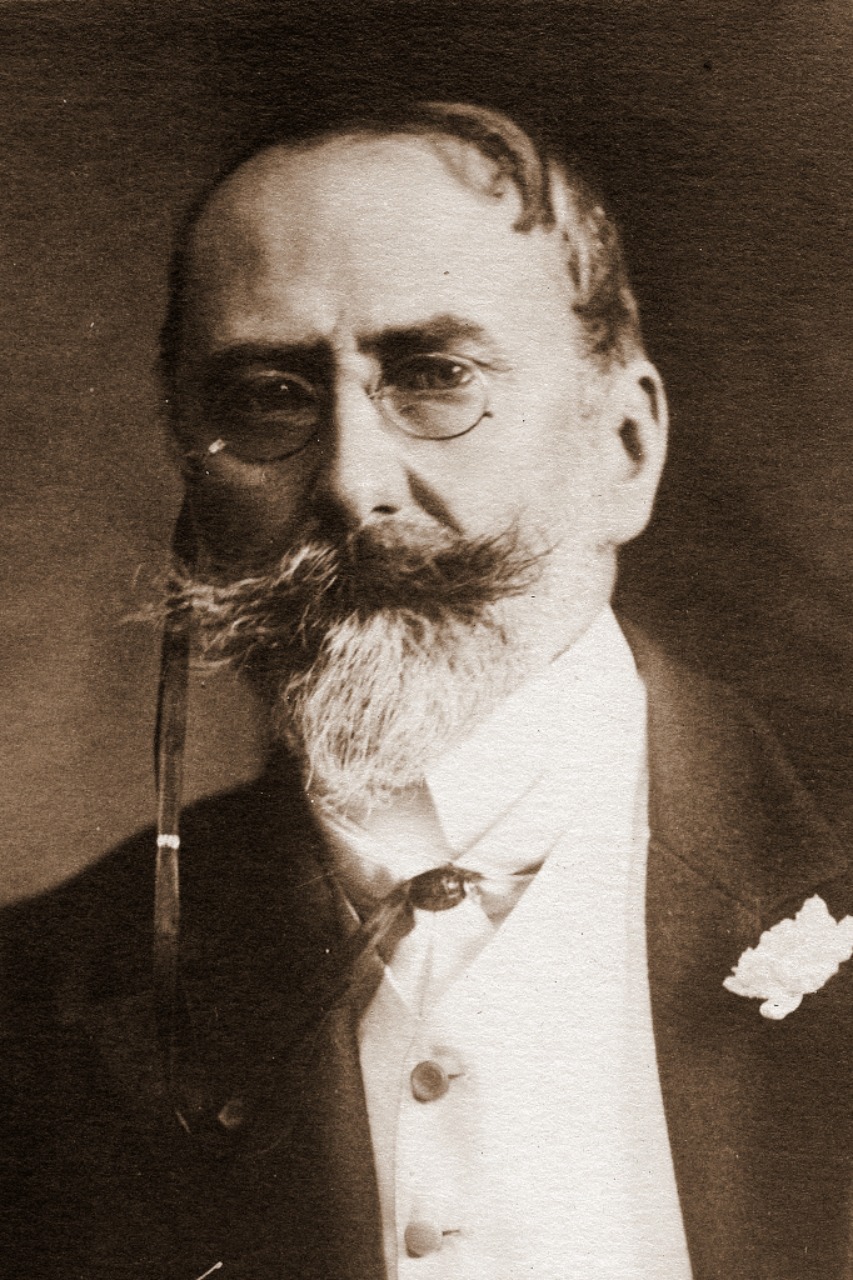
Personal info
Known for
Ultimate Talent
Gender
Male
Birthday
01 September
Location
Indiana, United States
Edit pageWilliam Merritt Chase
Biography
William Merritt Chase was one of the most influential American painters and art teachers of the late 19th and early 20th centuries. Renowned for his portraits, still lifes, and landscapes, Chase played a key role in introducing Impressionism to the United States while maintaining strong ties to academic realism. His dynamic brushwork, refined color sense, and dedication to art education left a lasting mark on American art.
Early Life and Education
William Merritt Chase was born on November 1, 1849, in Williamsburg, Indiana, and grew up in Indianapolis. He showed artistic talent early and began studying art in his teens. With financial support from patrons, Chase traveled to Europe to continue his education.
He studied at the Royal Academy of Fine Arts in Munich, where he was trained in the German academic tradition. His teachers emphasized strong draftsmanship, dramatic lighting, and rich, dark tonalities, influences that are evident in Chase’s early work.
Early Career and Rise to Prominence
After returning to the United States in the late 1870s, Chase quickly gained recognition as a talented portrait and still-life painter. His work was admired for its confident brushwork and sophisticated compositions. One of his most famous early works, Still Life with Fish, demonstrated both technical skill and expressive vitality.
Chase became a prominent figure in New York’s art scene, known not only for his paintings but also for his charismatic personality and stylish lifestyle. His elaborately decorated studio became a cultural gathering place for artists, collectors, and critics.
Embrace of Impressionism
During the 1880s and 1890s, Chase increasingly embraced Impressionism, particularly in his outdoor landscapes and park scenes. He was especially drawn to painting en plein air, capturing fleeting effects of light and atmosphere.
His landscapes of Central Park and Shinnecock Hills on Long Island are among his most celebrated works. These paintings feature lighter palettes, looser brushwork, and a sense of immediacy, reflecting his ability to adapt European Impressionist ideas to American settings.
Career as an Educator
William Merritt Chase was also one of the most important art teachers in American history. He taught at several institutions, including the Art Students League of New York, where he instructed hundreds of students. He later founded the Chase School of Art, which eventually became the Parsons School of Design.
Chase encouraged individuality and direct observation rather than strict adherence to rules. Many of his students went on to become major figures in American art, including Georgia O’Keeffe, Edward Hopper, Charles Demuth, and Joseph Stella.
Artistic Style and Themes
Chase’s work spans a wide range of subjects, including portraits, landscapes, still lifes, and interior scenes. His paintings are characterized by confident, fluid brushwork, a refined sense of color, and an ability to balance realism with spontaneity.
He often painted everyday subjects—parks, beaches, family members—with elegance and vitality, elevating ordinary scenes through technical mastery and aesthetic sensitivity.
Later Years and Death
In his later years, Chase continued painting and teaching, though changing artistic trends gradually shifted attention toward newer modernist movements. He remained active and respected within the art world until his death.
William Merritt Chase died on October 25, 1916, in New York City.