Personal info
Known for
Cinematographer
Gender
Male
Birthday
15 February
Location
Liège, Belgium
Edit pageWilly Kurant
Biography
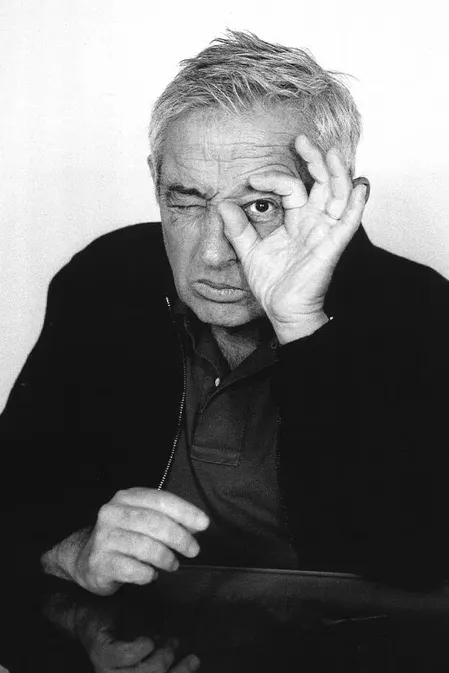
Willy Kurant (July 15, 1934 – May 1, 2021) was a Belgian cinematographer known for his influential work in European art cinema. Born in Liège, Belgium, he developed an interest in photography and cinematography at an early age and began working in the film industry during the 1950s.
Kurant became closely associated with the French New Wave and other innovative European filmmaking movements. His distinctive visual style combined expressive black-and-white photography with carefully controlled lighting and camera movement. He worked with prominent directors including Agnès Varda, Jean-Luc Godard, Orson Welles, and Jerzy Skolimowski.
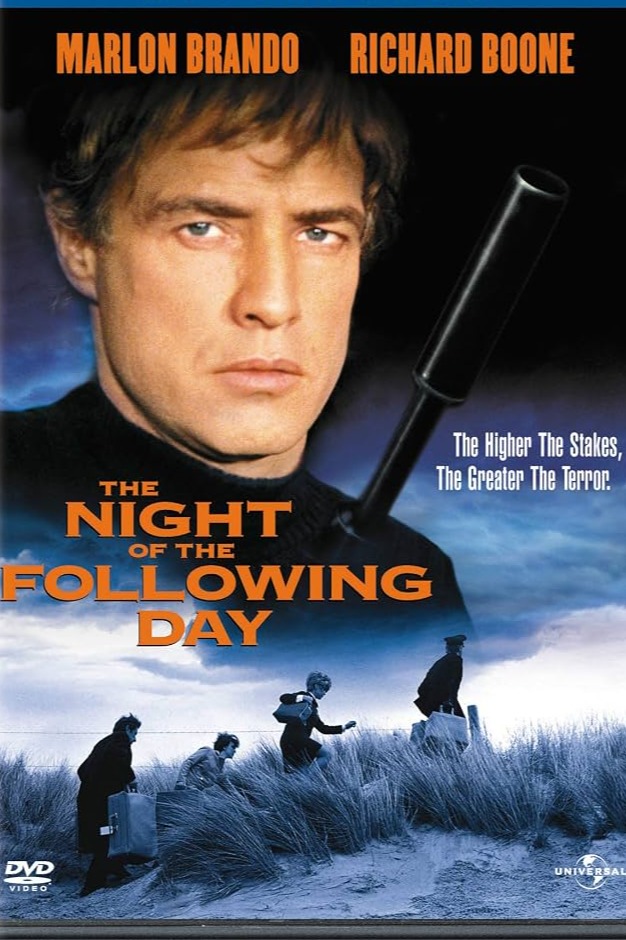
Among his notable credits were The Americanization of Emily (1964), and he later served as cinematographer on Masculin Féminin (1966), directed by Jean-Luc Godard. He also worked on films such as Le Petit Soldat, The Sailor from Gibraltar, The Immortal Story, One Sings, the Other Doesn't, A Woman Is a Woman, and The Nightcomers (1971).
Kurant's work on Michael Winner's The Nightcomers demonstrated his ability to create a dark, atmospheric visual style suited to psychological drama and horror. The film starred Marlon Brando and served as a prequel to Henry James's The Turn of the Screw.
Throughout his career, Kurant worked across French, British, Belgian, and international productions. His cinematography was particularly admired for its visual elegance, atmospheric lighting, and sensitivity to character.
Willy Kurant died on May 1, 2021, at the age of 86. He is remembered as an important European cinematographer whose work contributed significantly to the visual language of modern art cinema.