Australia’s Cultural Economy Needs Connection: The Impact of Visa Setbacks on Global Artists
Australia’s entertainment sector has long depended on international talent to keep its cultural landscape vibrant and economically strong. As a geographically isolated nation, Australia relies heavily on global connections—artists, filmmakers, musicians, and performers who bring diversity, creativity, and commercial value to local audiences. Yet recent visa delays involving two major international figures, Mohanlal and Karan Aujla, have raised concerns about how administrative setbacks can quietly weaken Australia’s cultural economy and limit its global reach.
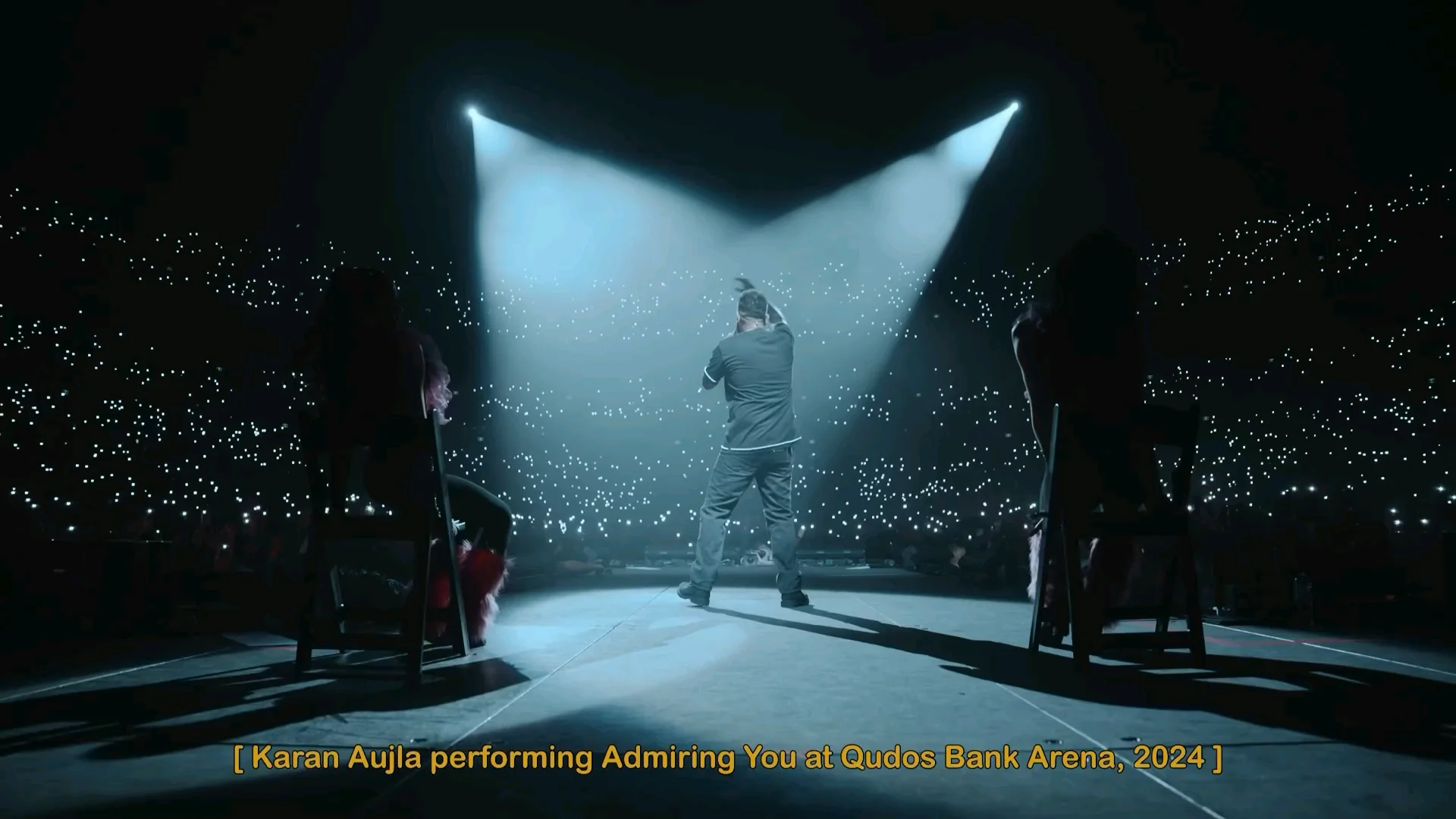
Mohanlal, one of India’s most respected actors, has consistently contributed millions to Australian theatres through his film releases. Malayalam cinema enjoys a loyal and growing audience across Sydney, Melbourne, Perth, and Brisbane, with Mohanlal’s films alone generating an estimated USD $2–5 million annually. His scheduled 2026 appearance in Sydney was expected to further strengthen Australia’s multicultural entertainment market. Instead, a delayed visa left him stranded overseas, unable to travel, and forced organisers to cancel the event entirely. The financial impact rippled across multiple sectors—ticketing, hospitality, production services, and local businesses—each losing revenue they had already planned for. For a country that depends on international cultural exchange, losing an artist of Mohanlal’s scale is more than a missed opportunity; it is a reminder of how fragile these connections can be.
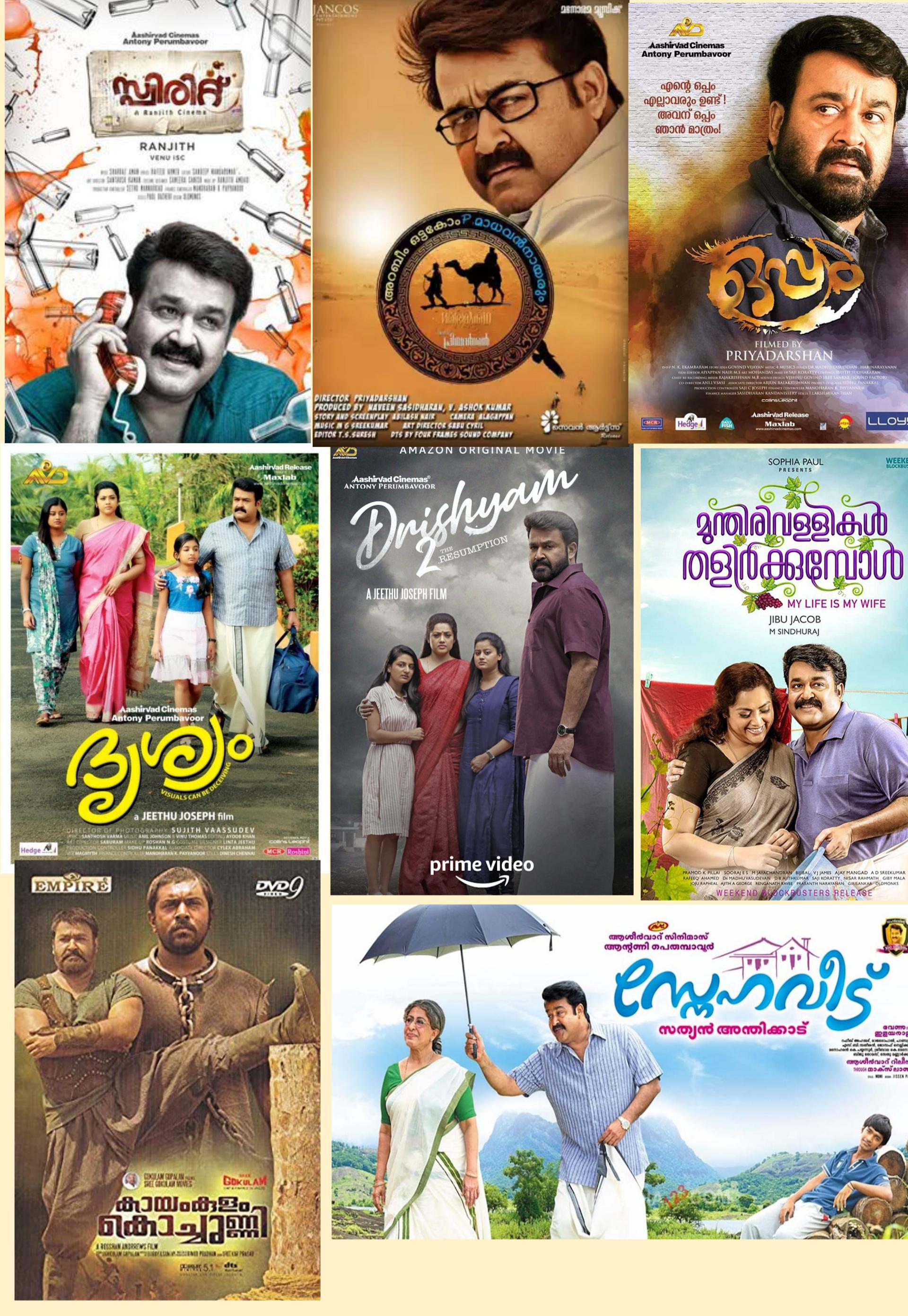
A similar disruption unfolded in the Punjabi music industry when global artist Karan Aujla faced visa delays reportedly caused by mistaken identity. Aujla’s concerts, particularly those organised by Erina Entertainment, are known for selling out major venues and contributing millions to Australia’s live‑events economy. His 2026 tour was expected to draw thousands of fans, stimulate travel and hospitality spending, and support dozens of local contractors and suppliers. Instead, postponed shows and administrative confusion created uncertainty for fans and financial strain for organisers. Even government officials stepped in to assist, underscoring the seriousness of the situation and the economic value at stake.
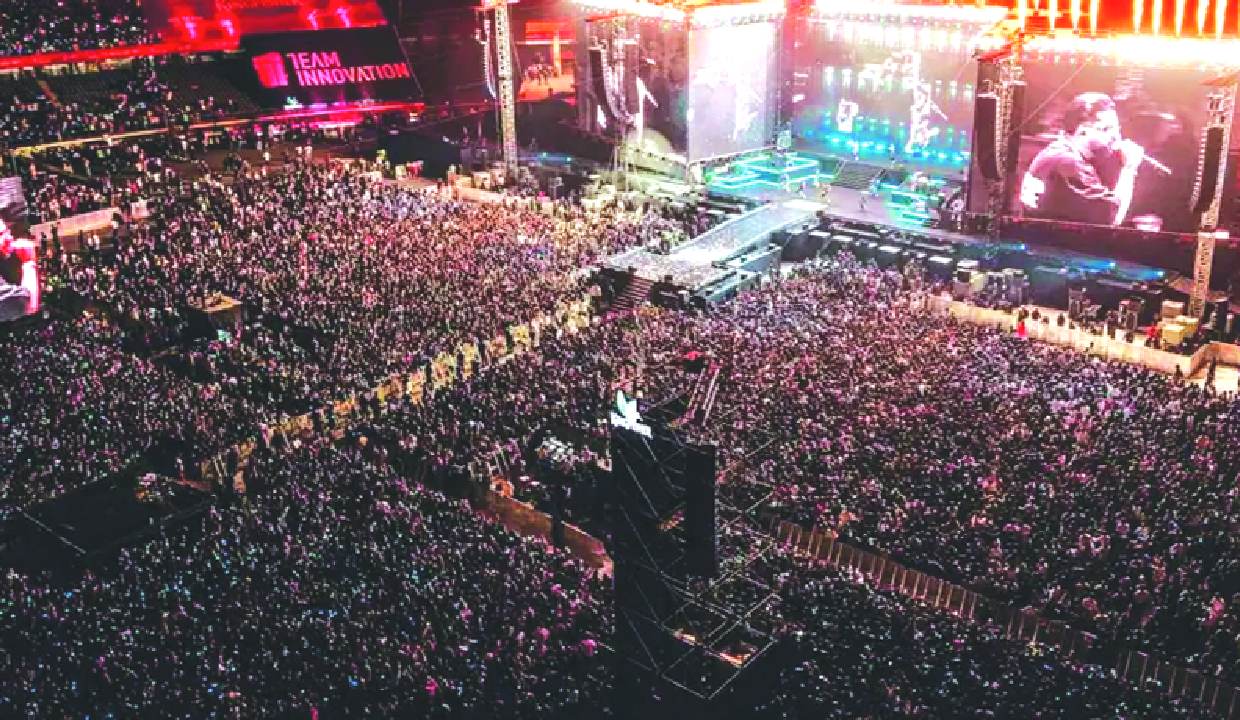
These incidents reveal a broader issue: Australia cannot afford to let visa delays undermine its cultural and economic goals. As an isolated land, Australia’s strength lies in its ability to welcome global talent and maintain strong international cultural ties. When visas are delayed or mishandled, the consequences extend far beyond individual artists—they affect businesses, communities, and the country’s reputation as an open and culturally engaged destination. In a world where entertainment is increasingly global, connection is essential. Without reliable pathways for international performers, Australia risks losing both cultural richness and economic opportunity.
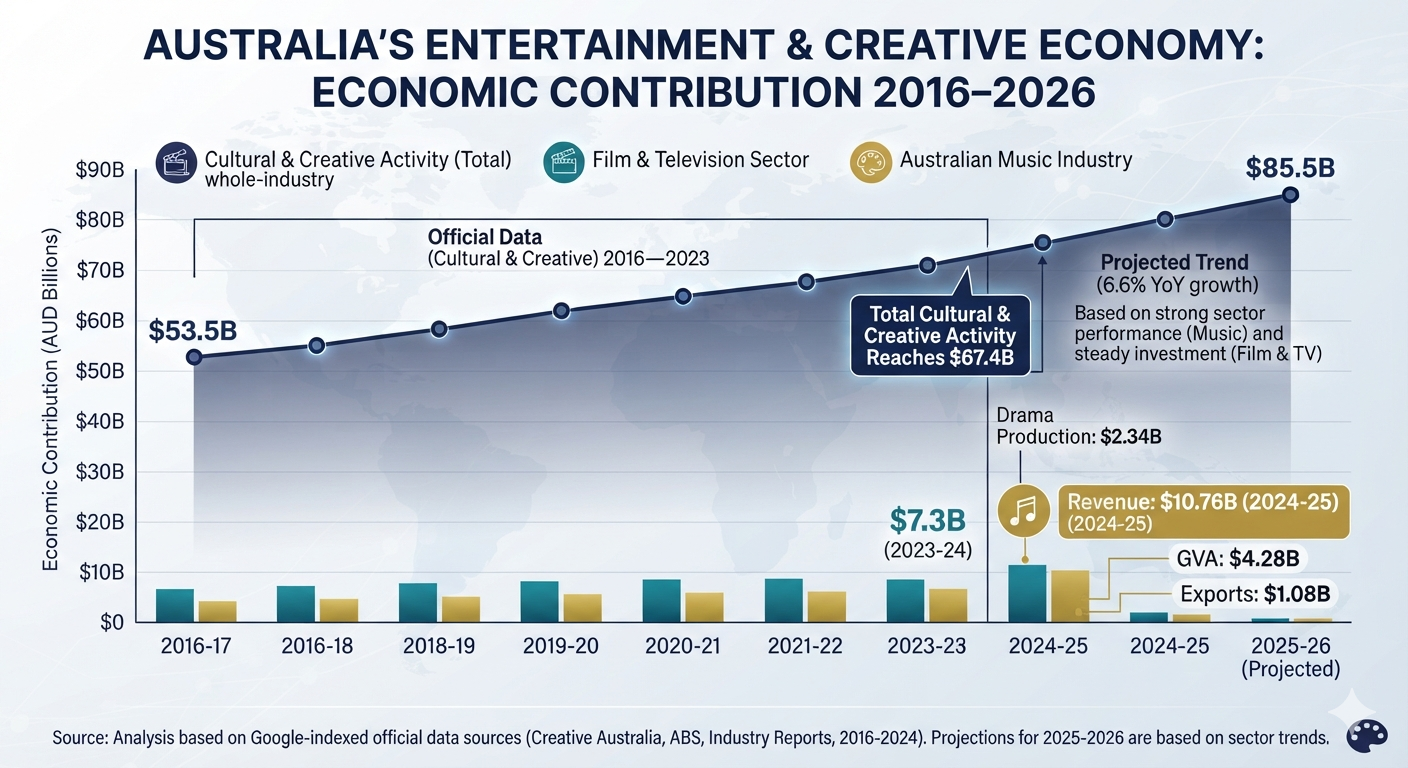
Ensuring smoother, more efficient visa processes for global artists is not simply an administrative improvement—it is an investment in Australia’s cultural future. Mohanlal and Karan Aujla’s experiences highlight the need for stability, clarity, and responsiveness within the system. Australia’s entertainment economy thrives when the world can reach its shores. Strengthening these connections is vital for keeping the nation culturally dynamic, economically competitive, and globally relevant.
SHARE :


Recent posts
MISS GOA INTERNATIONAL 2026 Hosts Its Historic First Edition in the United Kingdom

🎬 Mandy Takhar Embarks on a Dynamic Australian Promotional Tour for ‘Tutt Paini English Ne’
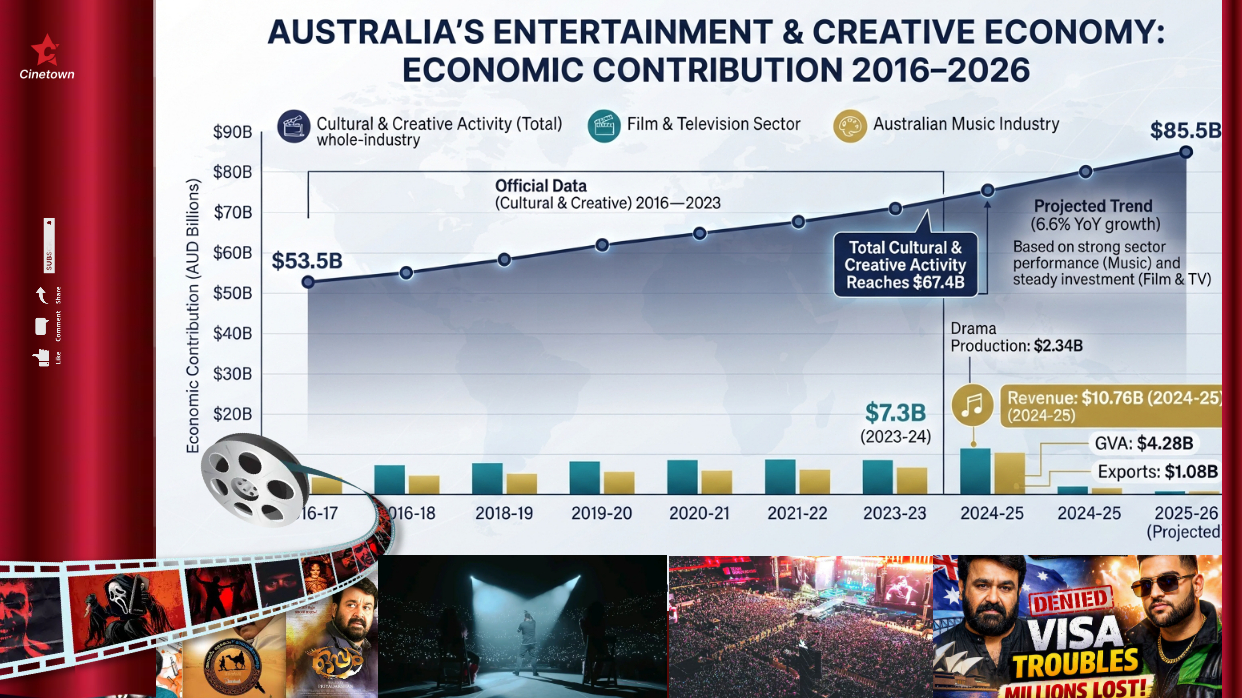
Australia’s Cultural Economy Needs Connection: The Impact of Visa Setbacks on Global Artists
Aman Singh Dhaliwal: The Model Who Became Punjabi Cinema's Action Hero
Sunny Deol’s Unbreakable Audience Love and Aamir Khan’s Timeless Legacy
A Powerful Premiere in Sydney — RED: The Color of Silence Ignites a Conversation Australia Needs

🎬 “Pai Gaige Ishq Paware” – A Fresh Punjabi Drama Where Love Outsmarts Rivalry